“The heavily armed individuals who flaunted themselves at the protest, calling themselves a ‘civil guard,’ were there for one reason: To menace protesters, to present an unsanctioned show of unregulated force,” New Mexico Gov. Michelle Lujan Grisham (D) said in a statement. “To menace the people of New Mexico with weaponry — with an implicit threat of violence — is on its face unacceptable; that violence did indeed occur is unspeakable.” Albuquerque Mayor Tim Keller (D) said the statue would now be speedily removed as an “urgent matter of public safety” until authorities determine a next step.
Note: the “militia’s” actions brought the opposite of what they intended: shame and arrest. You shot yourselves in the foot again.
Fort Benning in Georgia, the home of Army infantry and airborne training, is named after Brig. Gen. Henry Benning, who led troops at Antietam and Gettysburg. In remarks in 1861 laying out slavery as the reason for secession, Benning warned that abolition would lead to “black governors, black legislatures, black juries, black everything. Is it to be supposed that the white race will stand for that?”
“Three of the biggest bases in the United States are named after Confederate leaders, including some who were famously inept.“
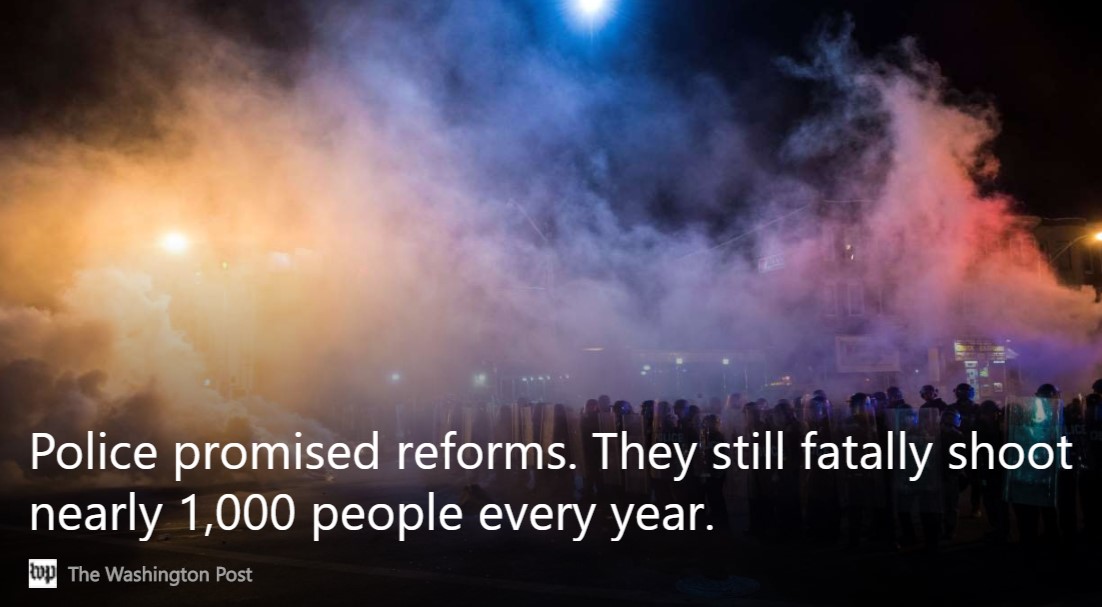
The New York Times noted: “The more important innovation was the use of mass arrests to clear the streets and detain demonstrators, even for hours after the city was calm. Many of yesterday’s record 7,000 arrests, it was clear this morning, were dragnet captures of people who had had nothing to do with the demonstrations.”
A tentative connection formed in my mind. One piece was a NPR story about CPE Bach, whom I had neverheard of. I felt the speaker’s appreciation for this Bach — I dare say, I appreciated his appreciation in a way that echoed later, with an article about an Edward Hopper picture I might not have looked at twice, certainly not with the eye of the reviewer, or his enthusiasm. Why, I wondered, do these pieces seem different from countless others I read every day?
Is my reaction connected to the way my neighbors speak to each other now? No longer the quick “how’s it going?” as we pass each other, but a more concerned “how are you coping?” paired with a pause and eye contact. Mind you, we are not “essential,” which is to say, we are comfortable and safe, so why the concern? What has changed — what’s gone or arrived that makes us appreciate … more.
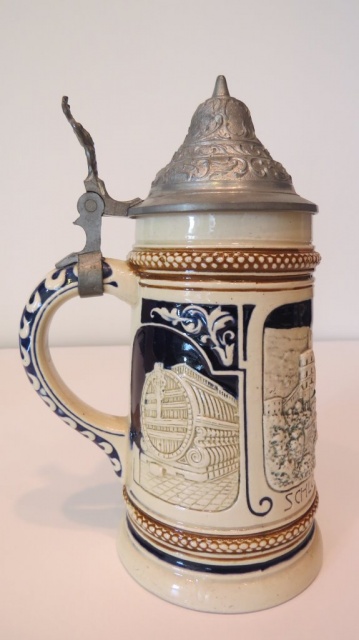
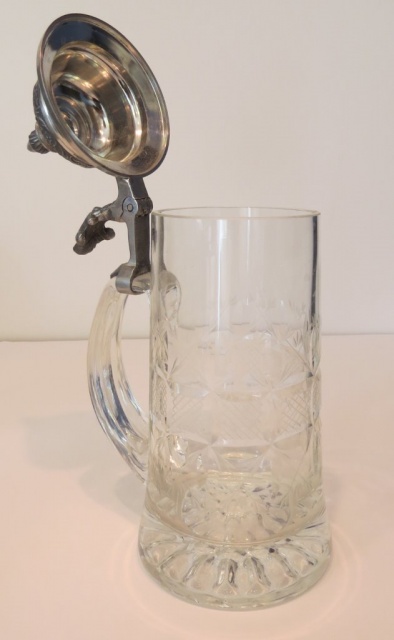
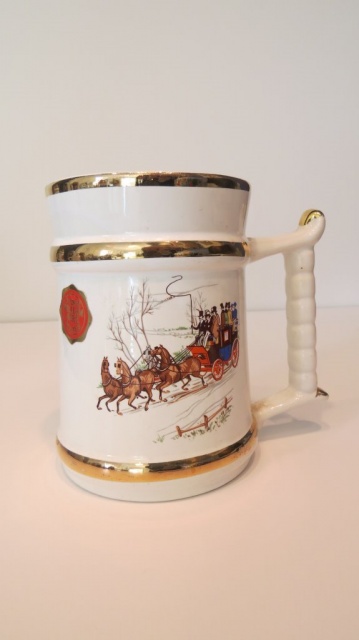
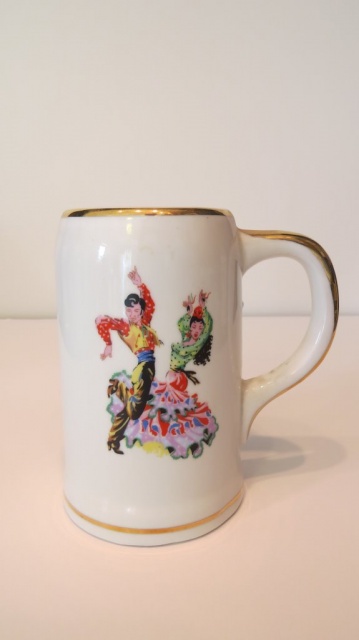
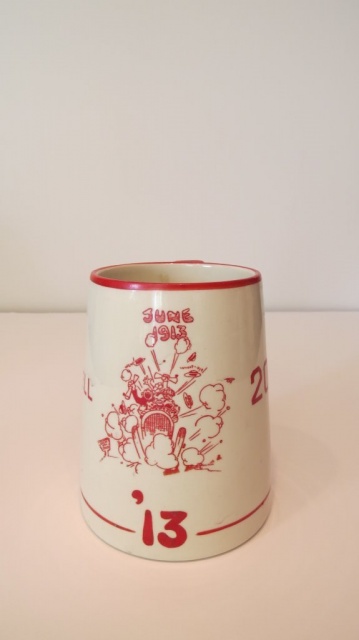
When I was a kid, my dad developed the habit of bringing me beer mugs as he went on business trips. (That didn’t seem the least bit odd, at the time.) Eventually, I picked up the habit of buying beer mugs on trips of my own. At its peak, my collection numbered over 100. I displayed many of them in bookcases. I washed them once or twice a year.
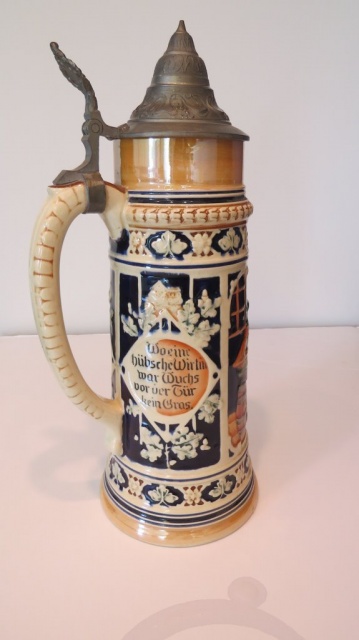
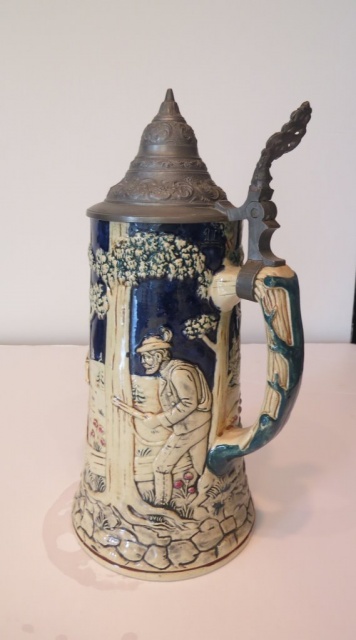
Decades ago, decades after the habit started, I got rid of most of them. I kept a few mostly for their beauty and potential value (doubtful). I know where a couple of these originated. Here are a few.
Only a few are authentic Kruge mit Deckeln aus DeutschlandOnly a few are authentic Kruge mit Deckeln aus DeutschlandOnly a few are authentic Kruge mit Deckeln aus DeutschlandOnly a few are authentic Kruge mit Deckeln aus DeutschlandOnly a few are authentic Kruge mit Deckeln aus DeutschlandOnly a few are authentic Kruge mit Deckeln aus DeutschlandOnly a few are authentic Kruge mit Deckeln aus Deutschland
"It does not require a majority to prevail, but rather an irate, tireless minority keen to set brush fires in people's minds." — Sam Adams