8 photos


Photos by mark justice hinton.
Our favorite spot for camping and birding is in central Texas in a state park in Hill Country. It is South Llano River State Park, south of Junction, Texas, on I-10. Get barbeque at Lum’s.
The campground is perfect. There are numerous trails out of the campground. We’ve been going for years and haven’t hiked them all.

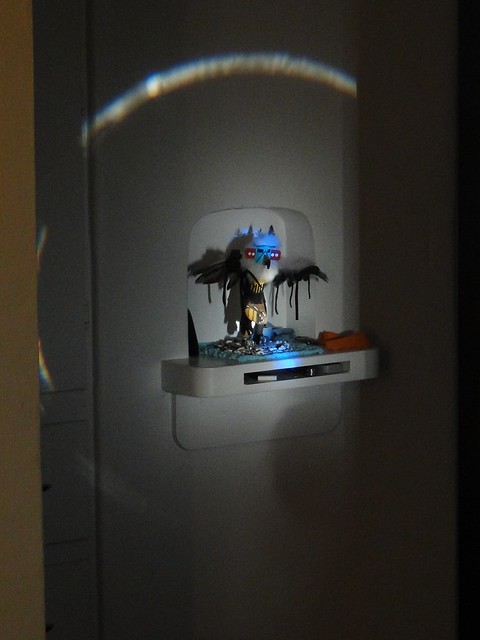
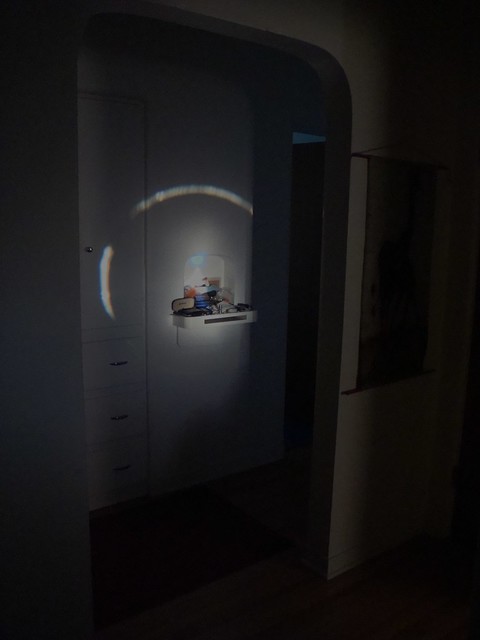
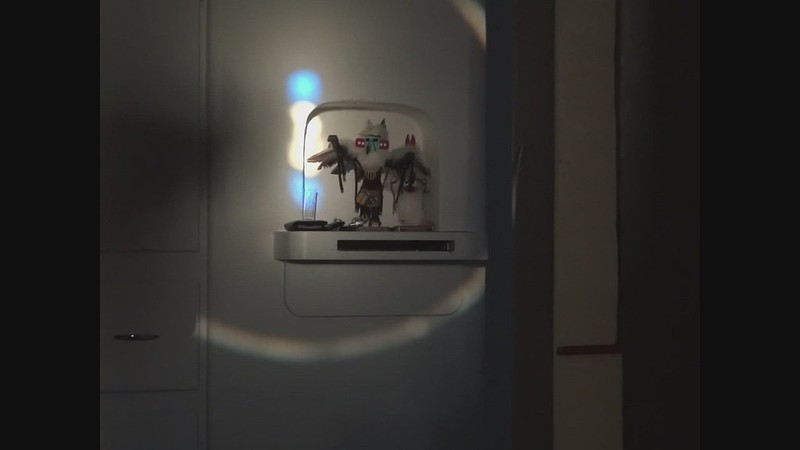
Like many houses in Albuquerque, our old house had a niche in the hallway intended for a phone, including a slot for a thin phonebook. Even when we had a landline, we never used the niche for that purpose. Instead, it held a kachina most of the time, as well as my keys and wallet.
Years ago, our friends Ann and John sent us a stained-glass piece which happened to be exactly the size of a small window in the front door of the house. It was a natural fit. Imagine our surprise the first time we saw the sun shine through that stained glass to illuminate the niche by chance, if you believe in serendipity. This didn’t happen every day. Indeed, most of the year the blue light shone elsewhere. However, every February and October the light appeared in the hallway and over a few weeks’ time it drifted toward the niche until it full illuminated the niche a morning or two.
Twice a year, we watched this progression. Now, it is no more. The niche, the door, and the sun are as they have been for decades. But we are gone and we took the blue light and kachina with us. Now, we watch for movements of light in our new house. This will take time.
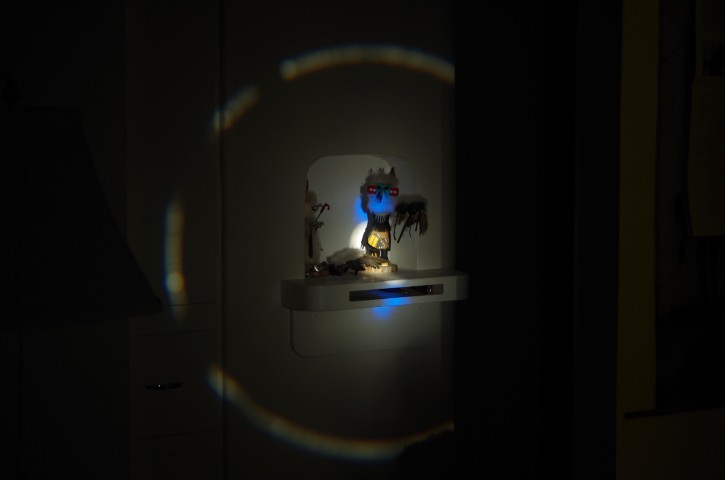
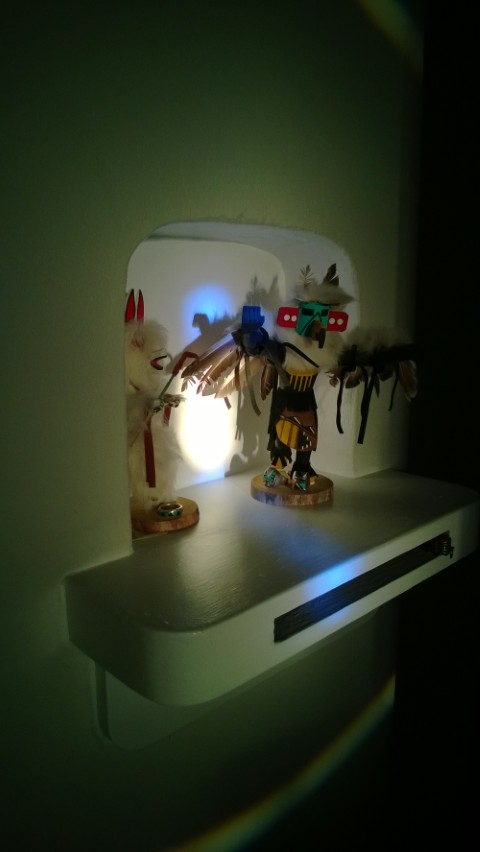
This video is 10 minutes realtime but I have sped it up 16x.
About 10 years ago, we found Ducky sitting on a picnic table in a campground in southern Colorado. I put him on the dashboard of the truck, where he has ridden for years.
In 2015, at the last minute before leaving on a trip to Peru, I grabbed Ducky from the dash. Anytime he came out, he brought smiles to faces. I remember passing through security in a small airport, seeing bored guards light up and grin at each other as Ducky came through the scanner.
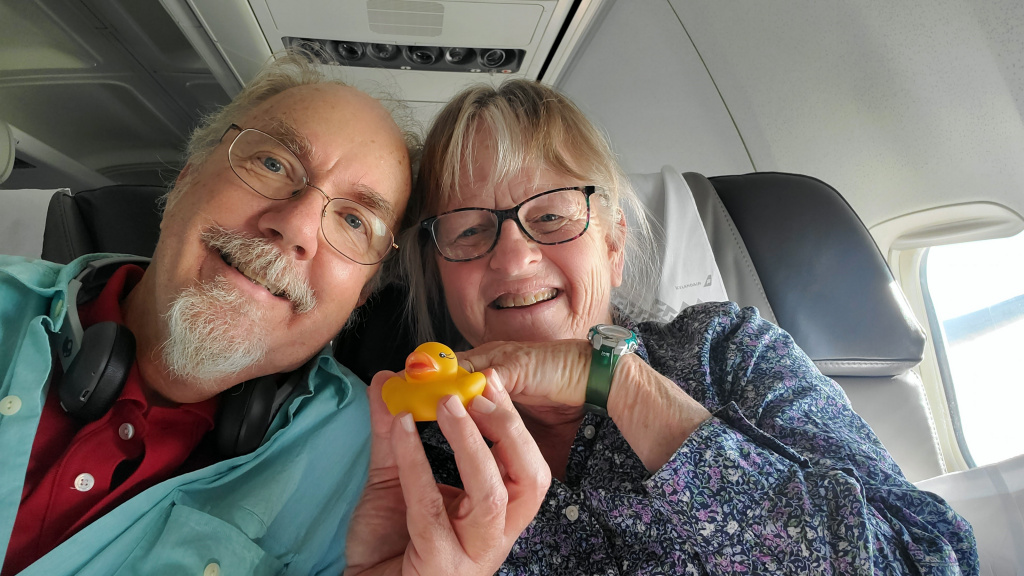
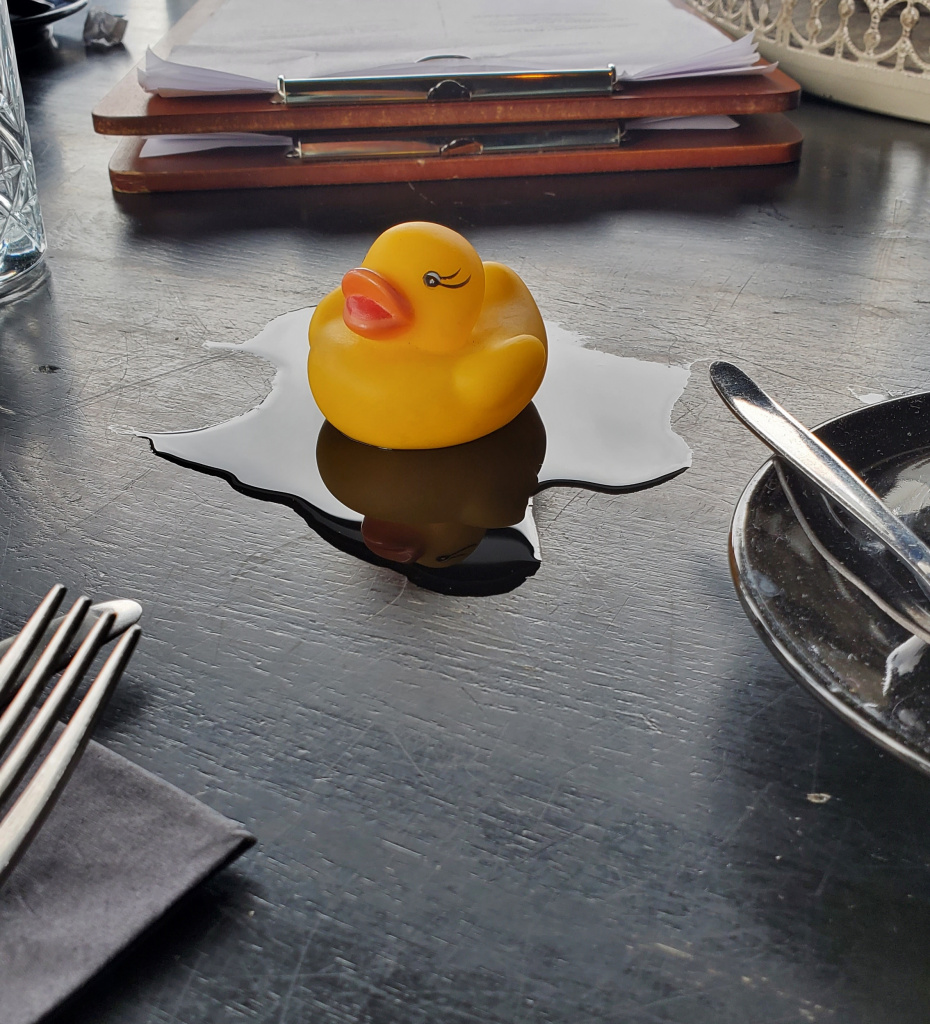
It was only natural that Ducky traveled with us to Iceland. For no good reason, he remained hidden much of the trip. However, the day I rode shotgun beside our guide and van driver, Daniel, Ducky took his place on the dash for the next few days.
Somehow, I forgot him. Somehow, no one noticed him on the dash. That is until Daniel was returning the van. I wish I had jumped in my rental car and braved the trip to Reykjavik to rescue Ducky, but I did not. I accepted too easily that he would be fine in Iceland, his ultimate migration. Sorry, old friend.
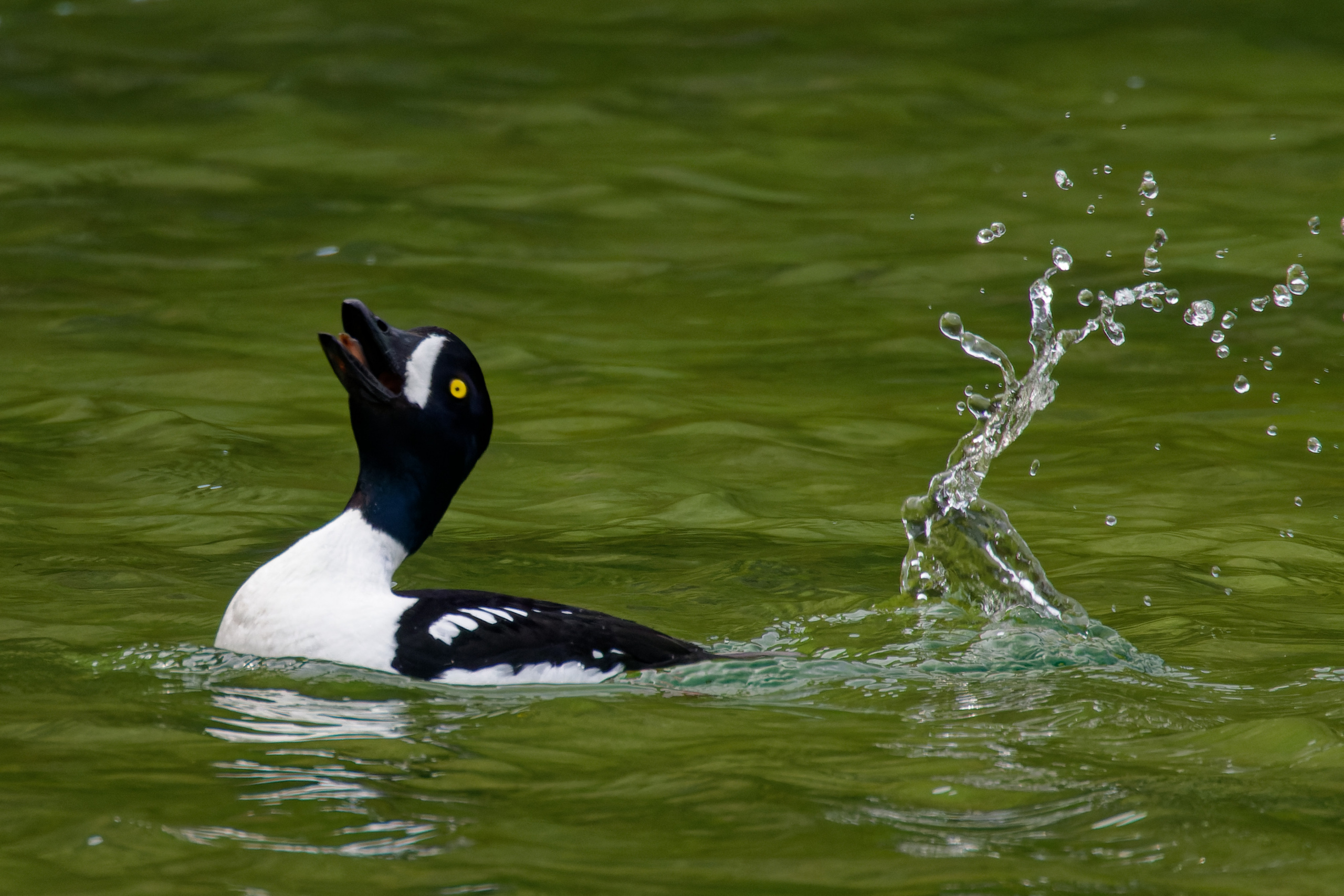
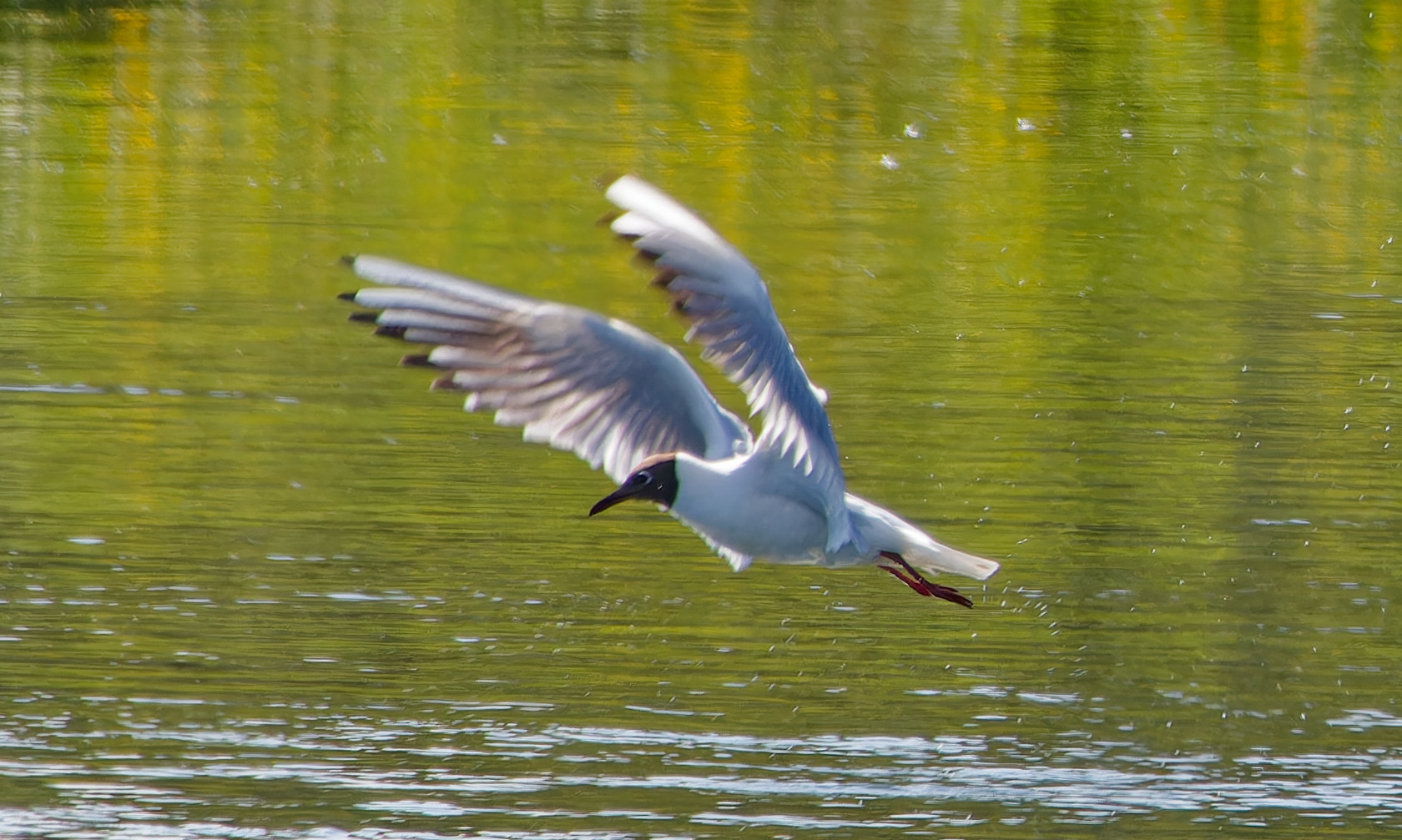
Technically, our tour of Iceland was for more than birding, but birds became the focus. In June, 117 bird species were reported in Iceland, many of them nesting. We saw 78 of those species. Fifty-eight of those species were “life birds” for me (first time seeing them). The chance to see so many exotic lifers was reason enough for us to visit Iceland.
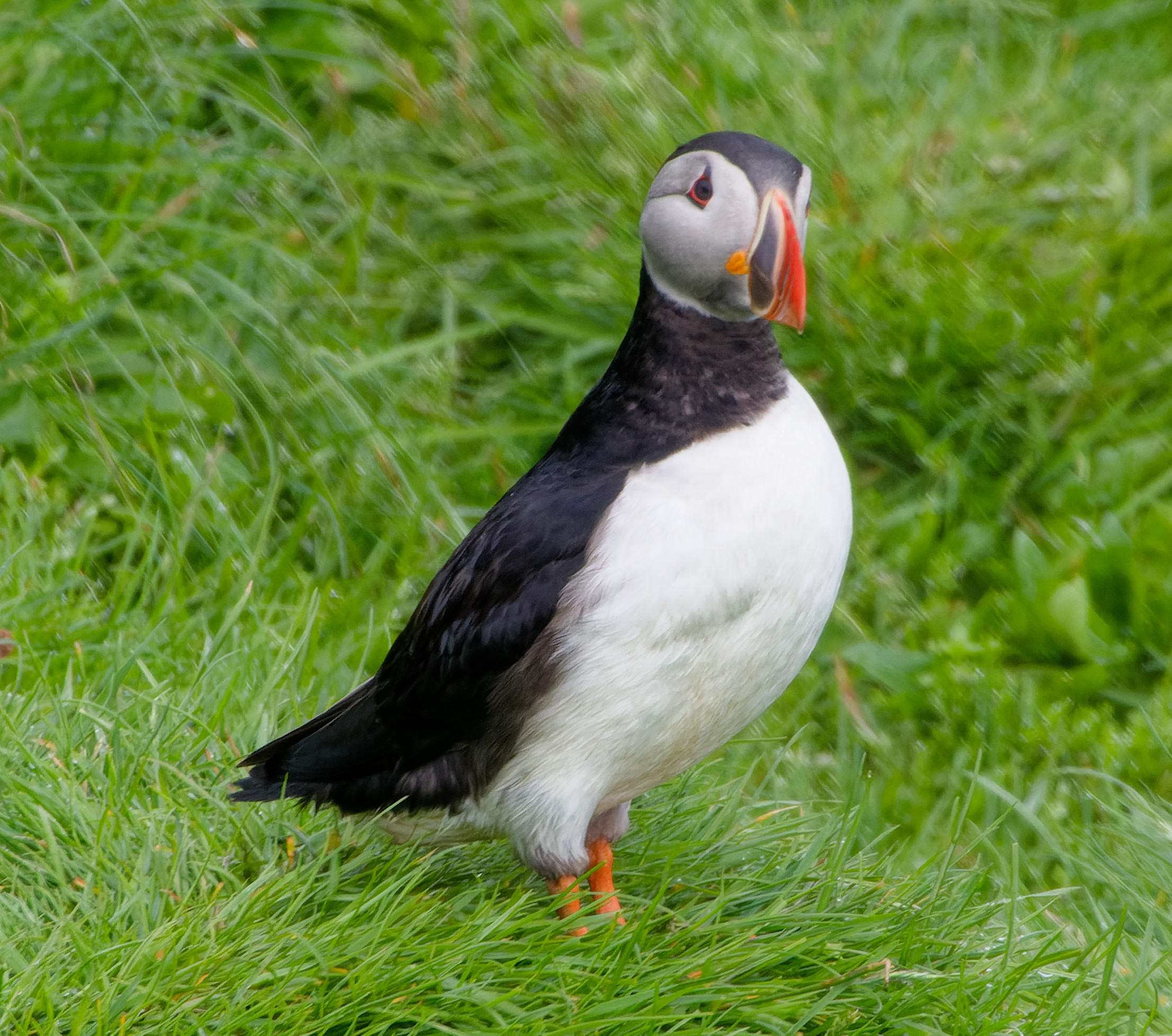
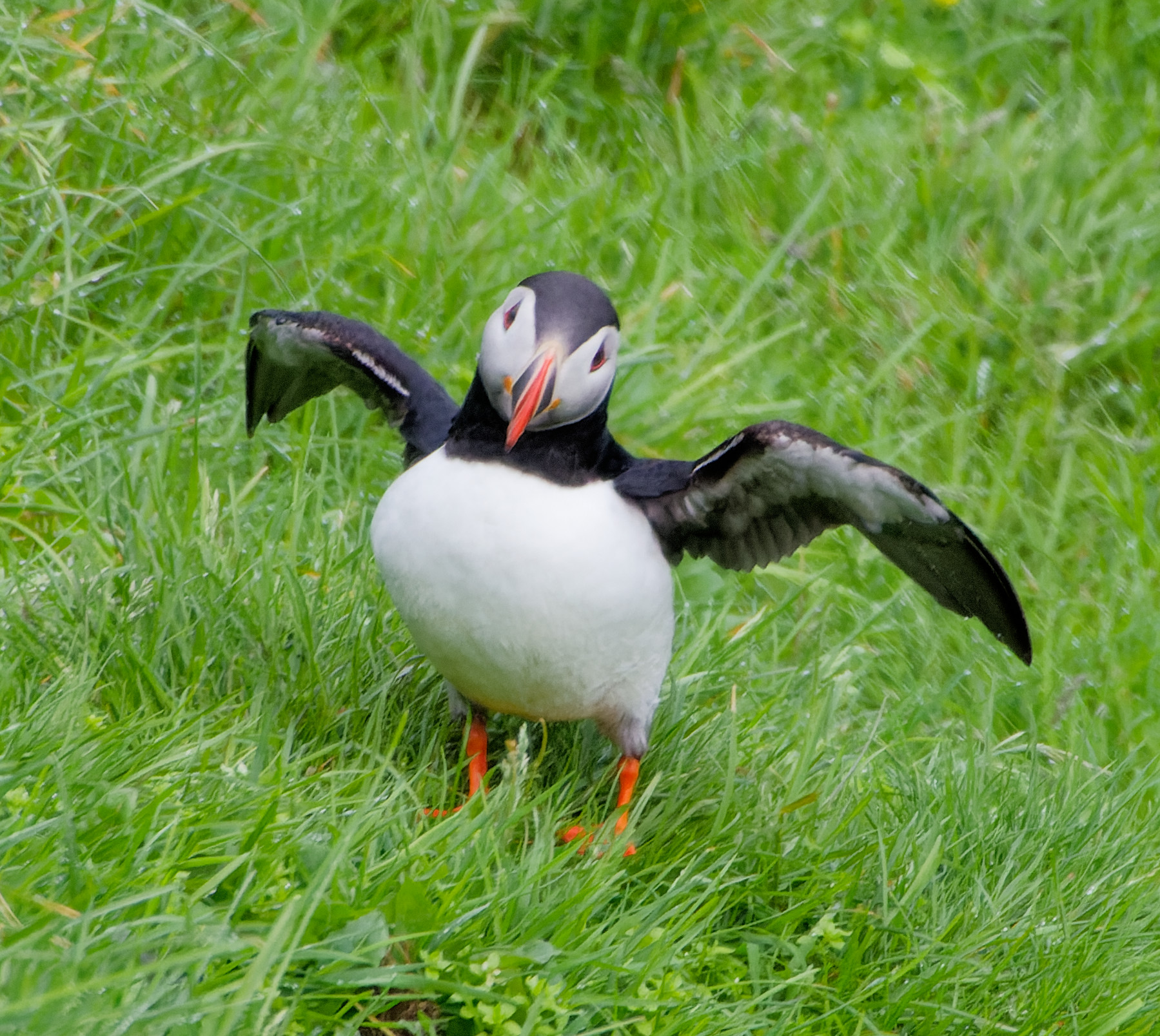
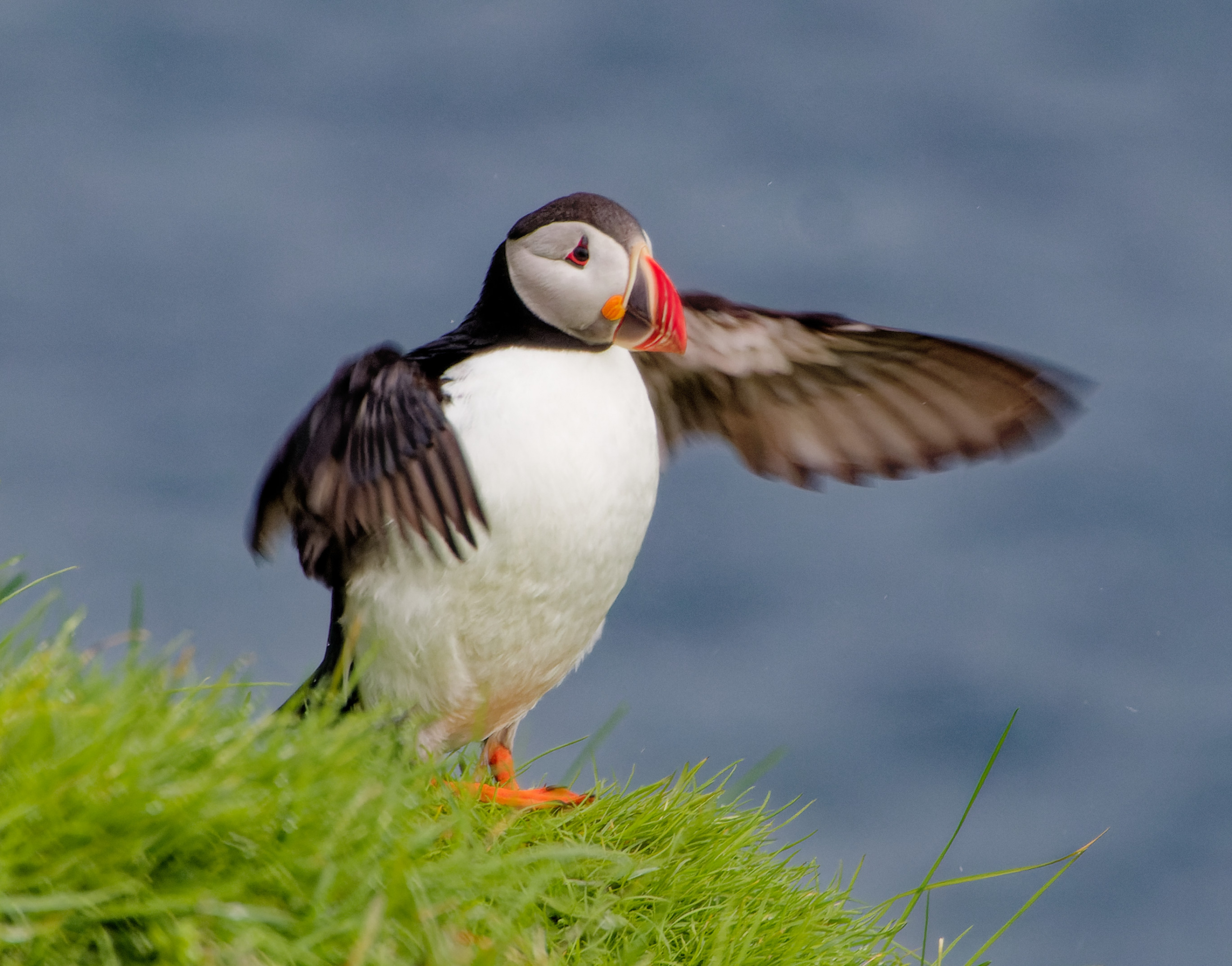
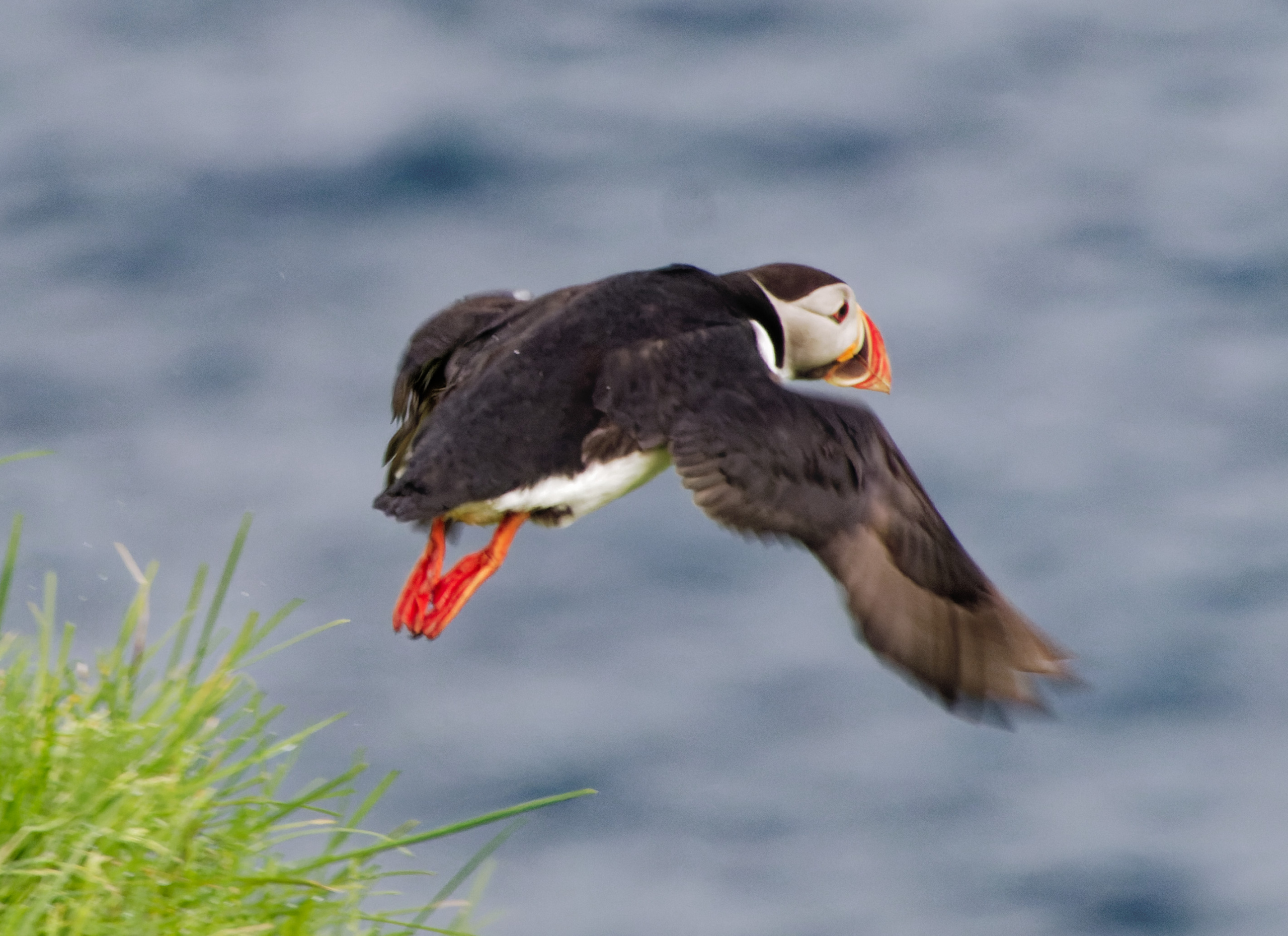
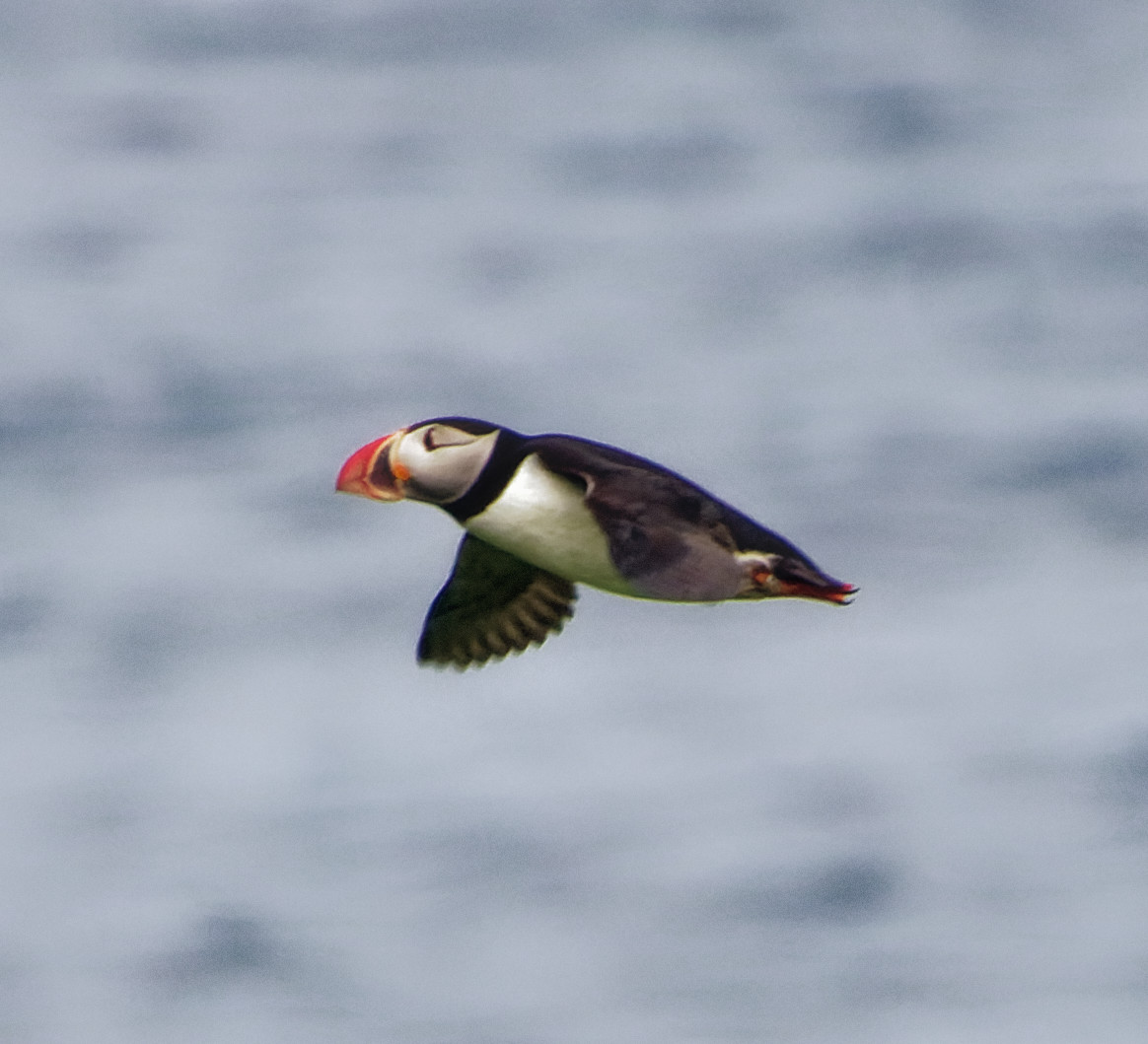
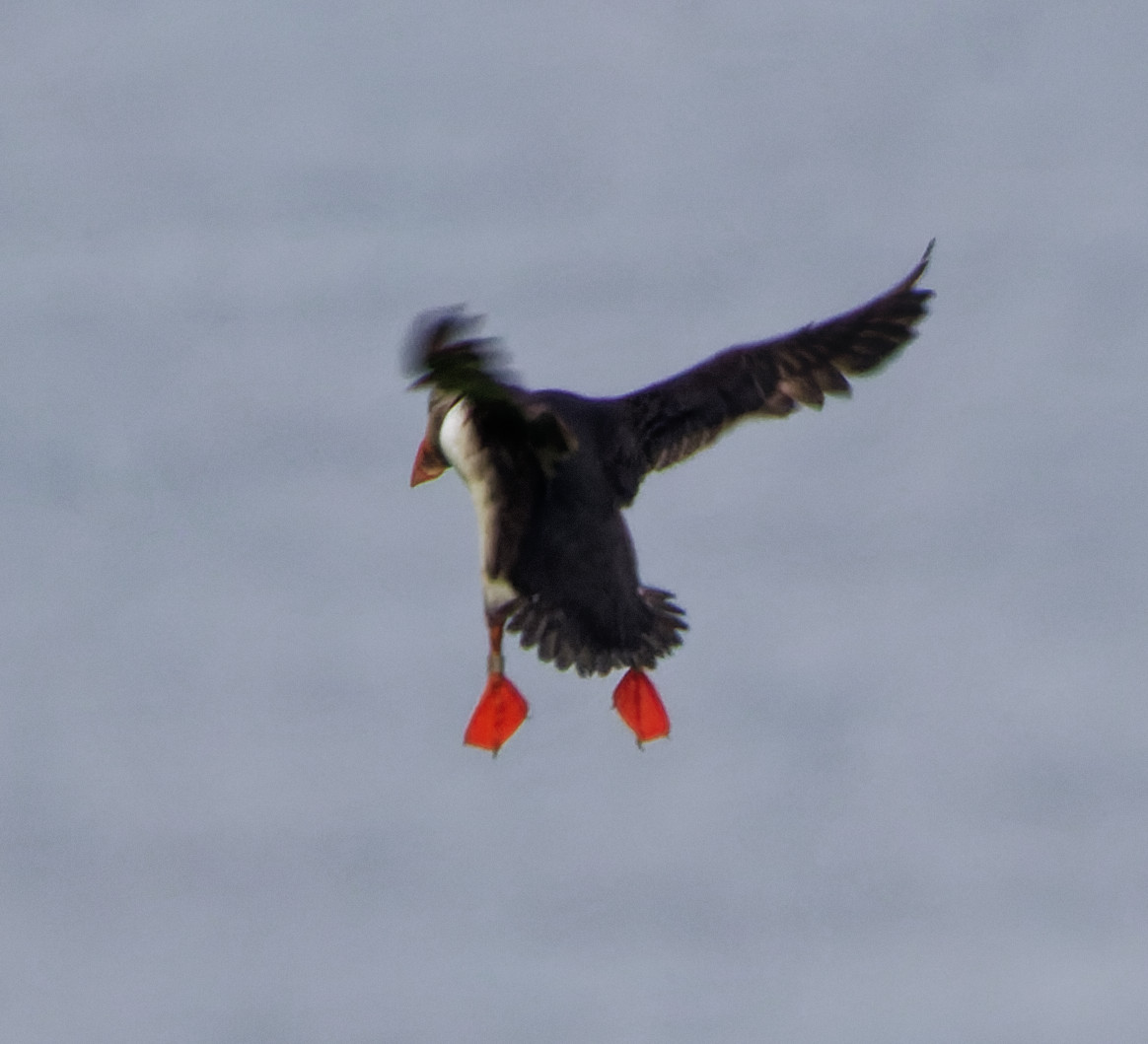
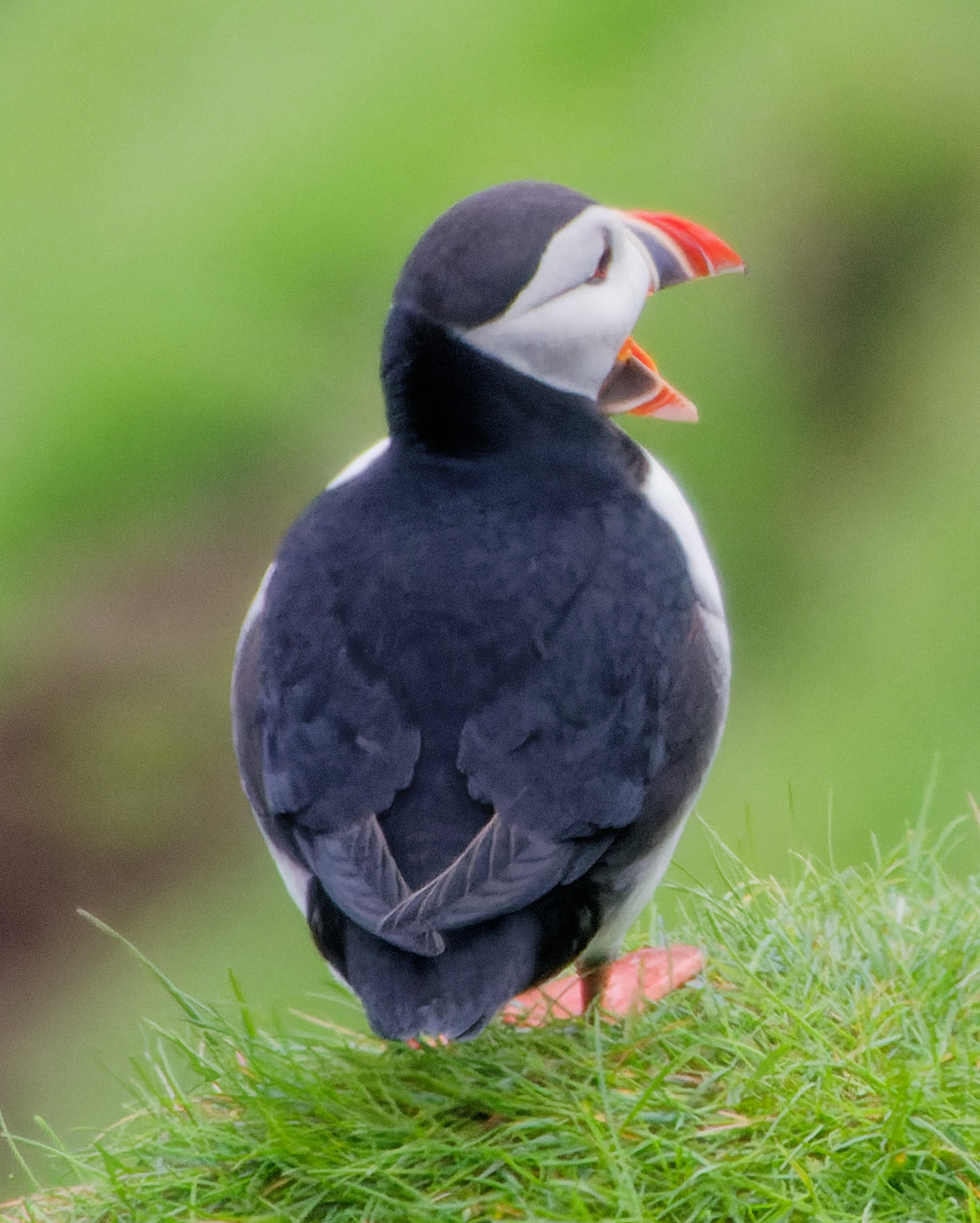
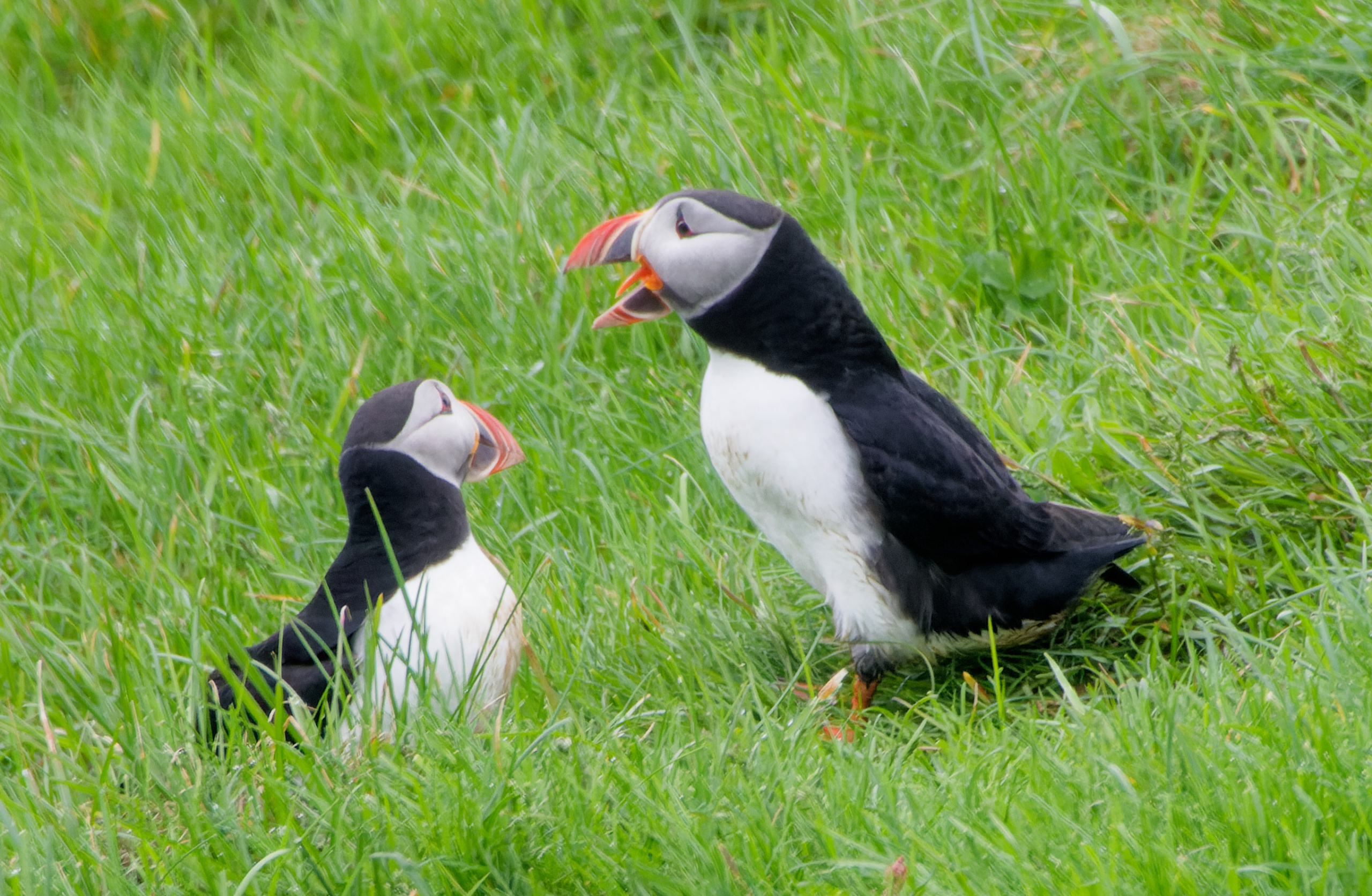
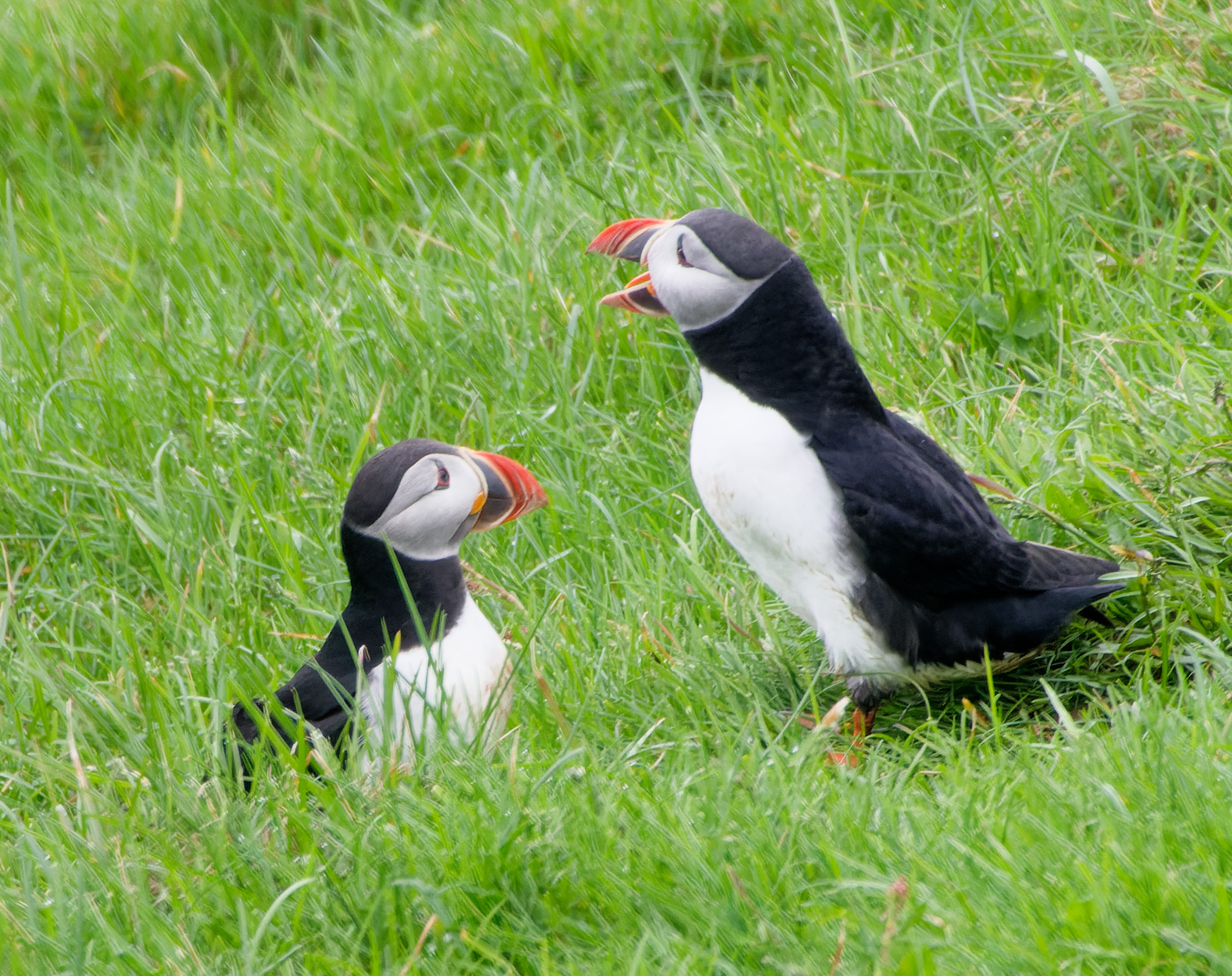
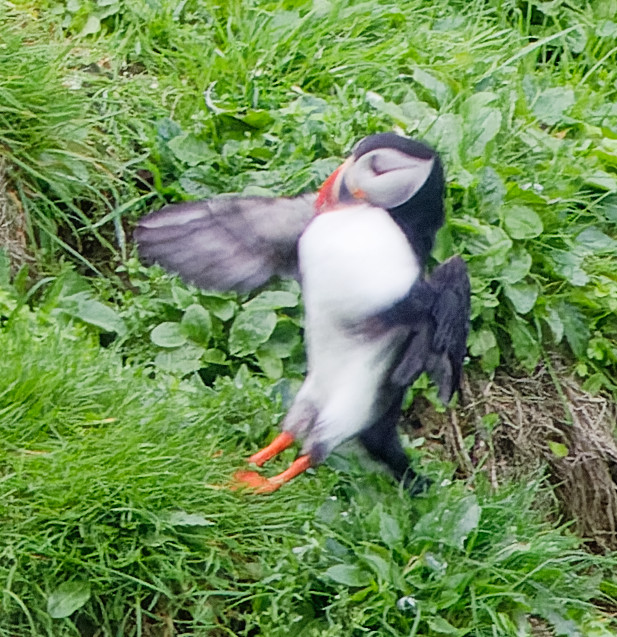
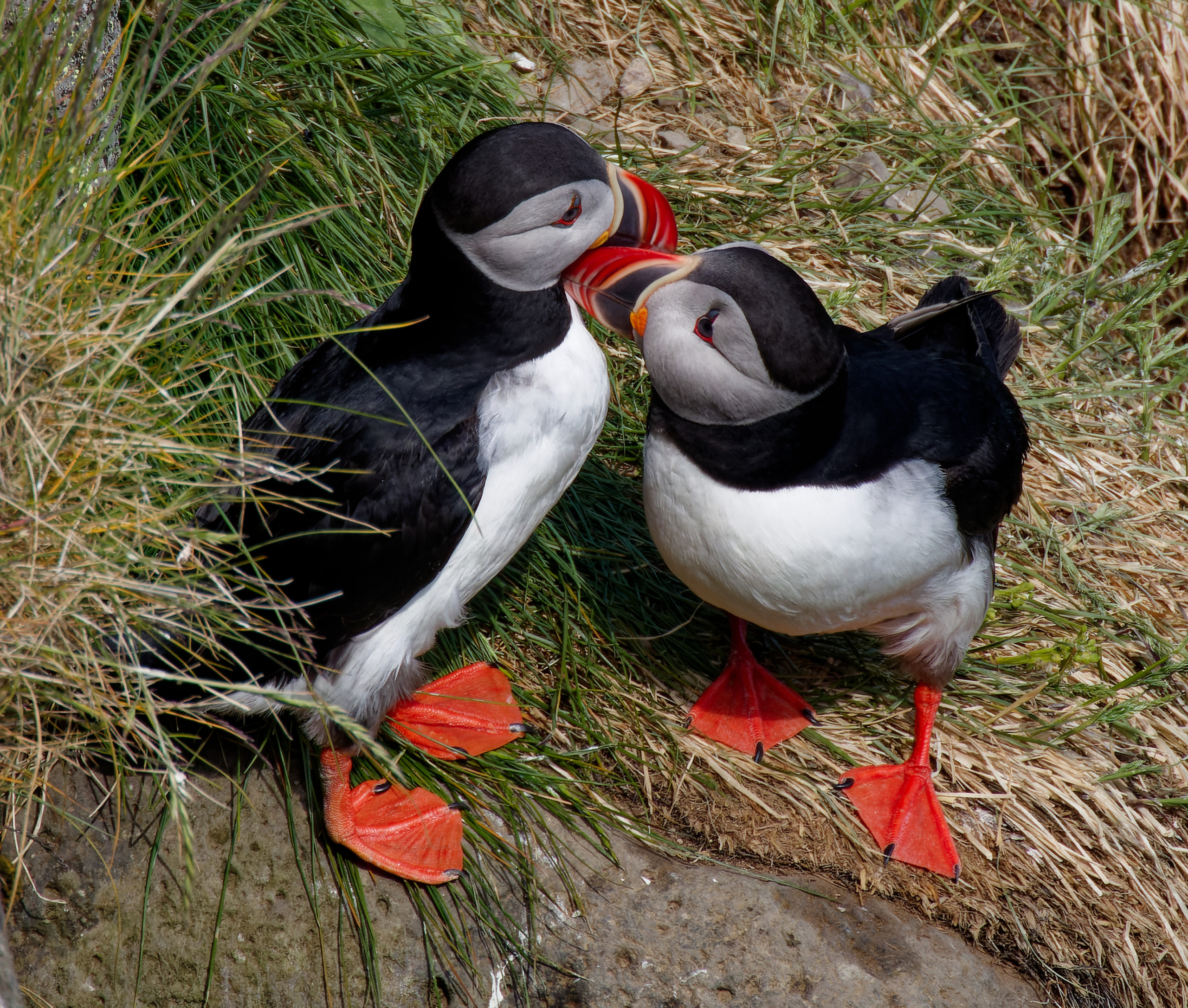
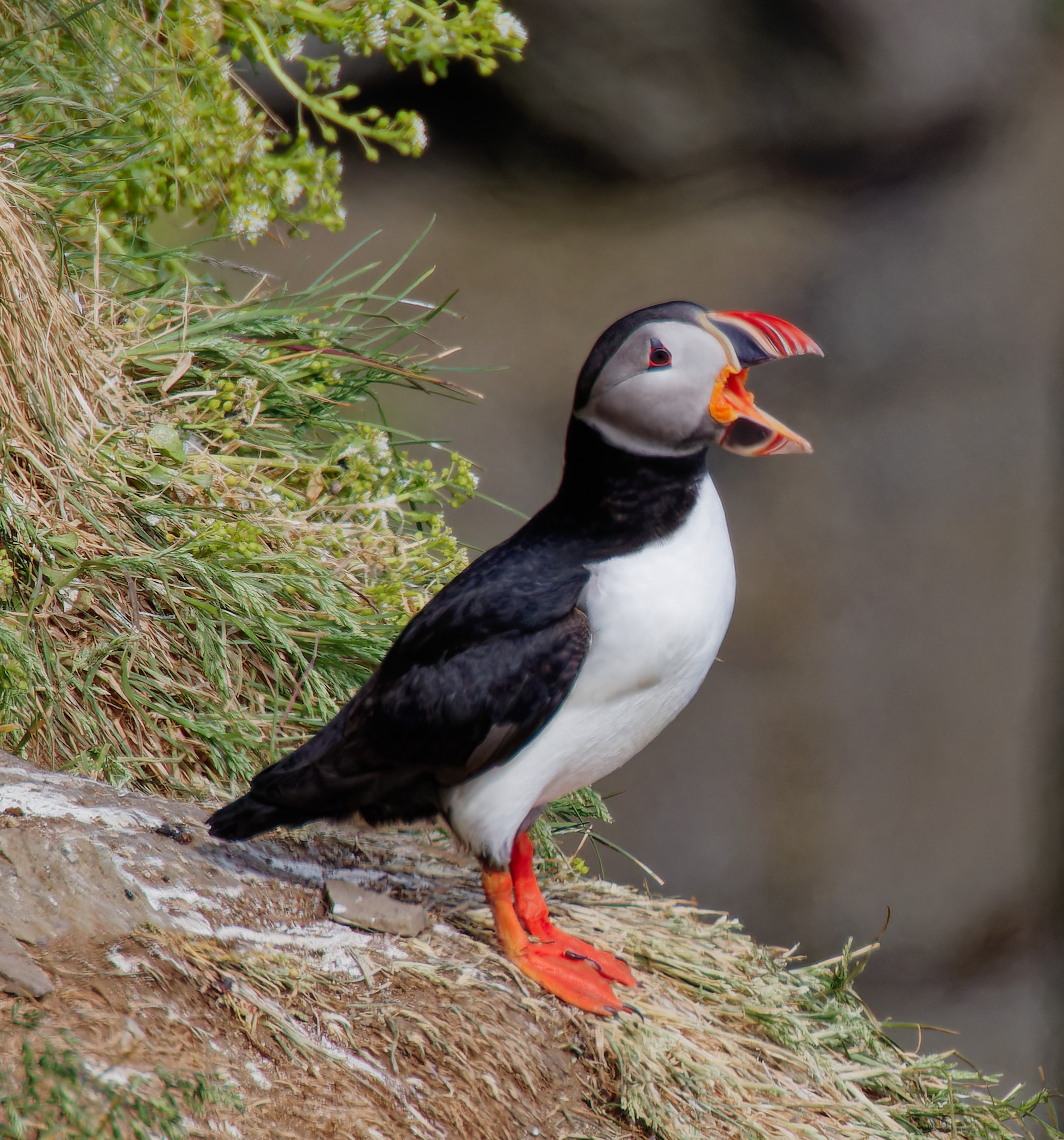
Of course, everyone everywhere love puffins, the smallest charismatic megafauna, oft maligned as “the clowns of the sea,” but undeniably charming. (And tasty, if old Icelanders are to be believed. Boycott restaurants serving puffin or whale.)
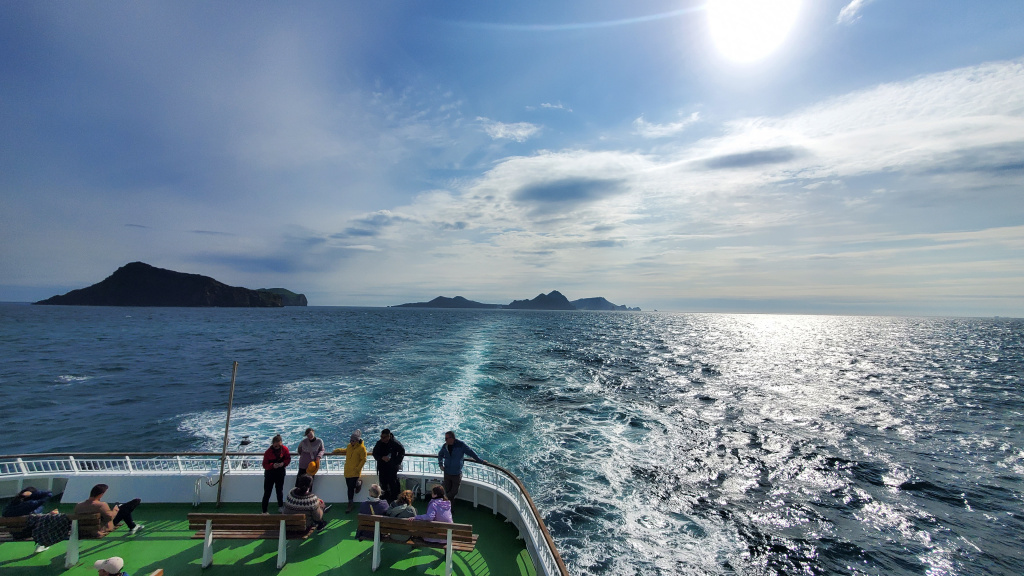
We spent hours on Heimey in the Westman Islands, so called by the Vikings who found the Celts — the West men — were already there).
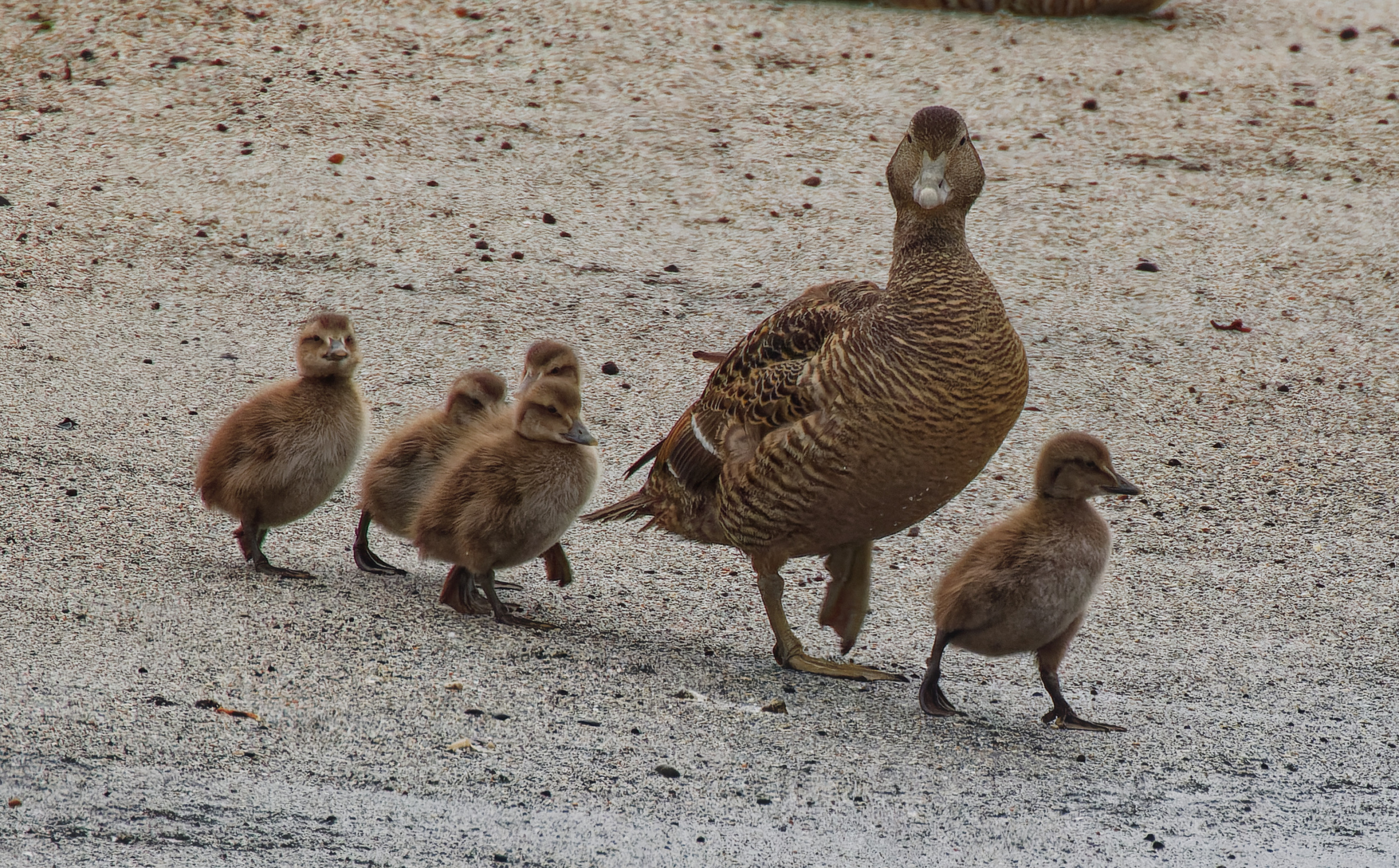
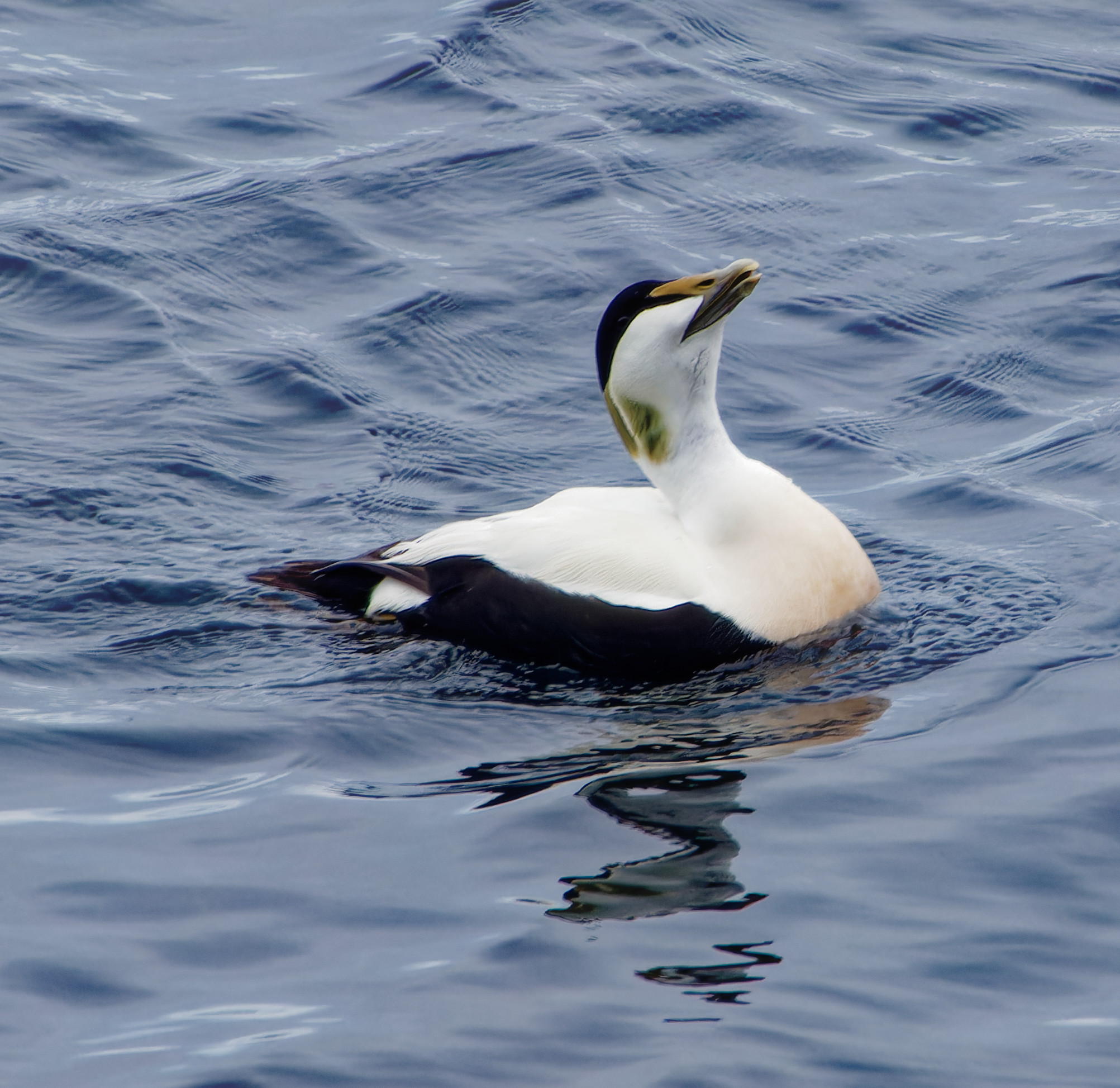
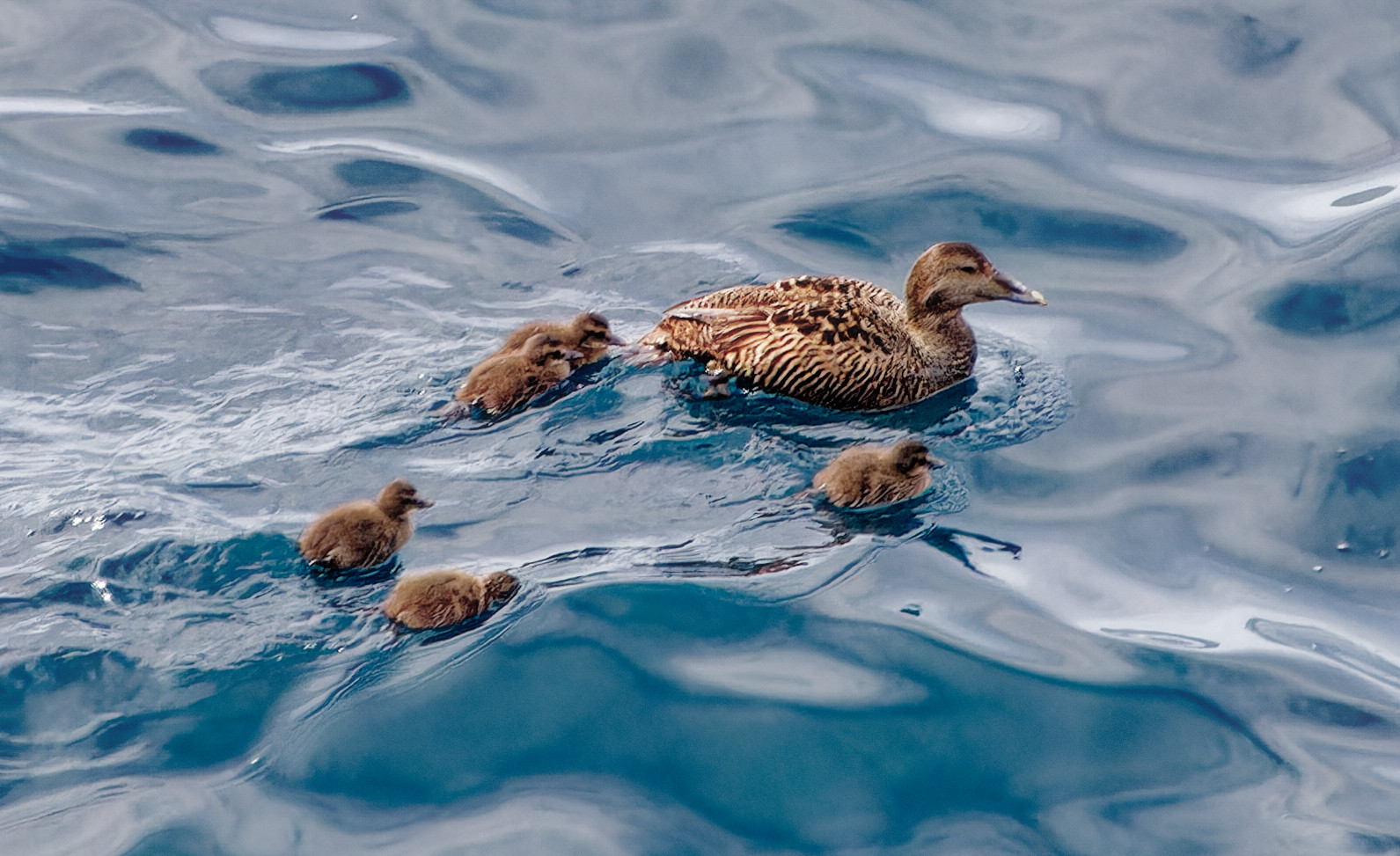
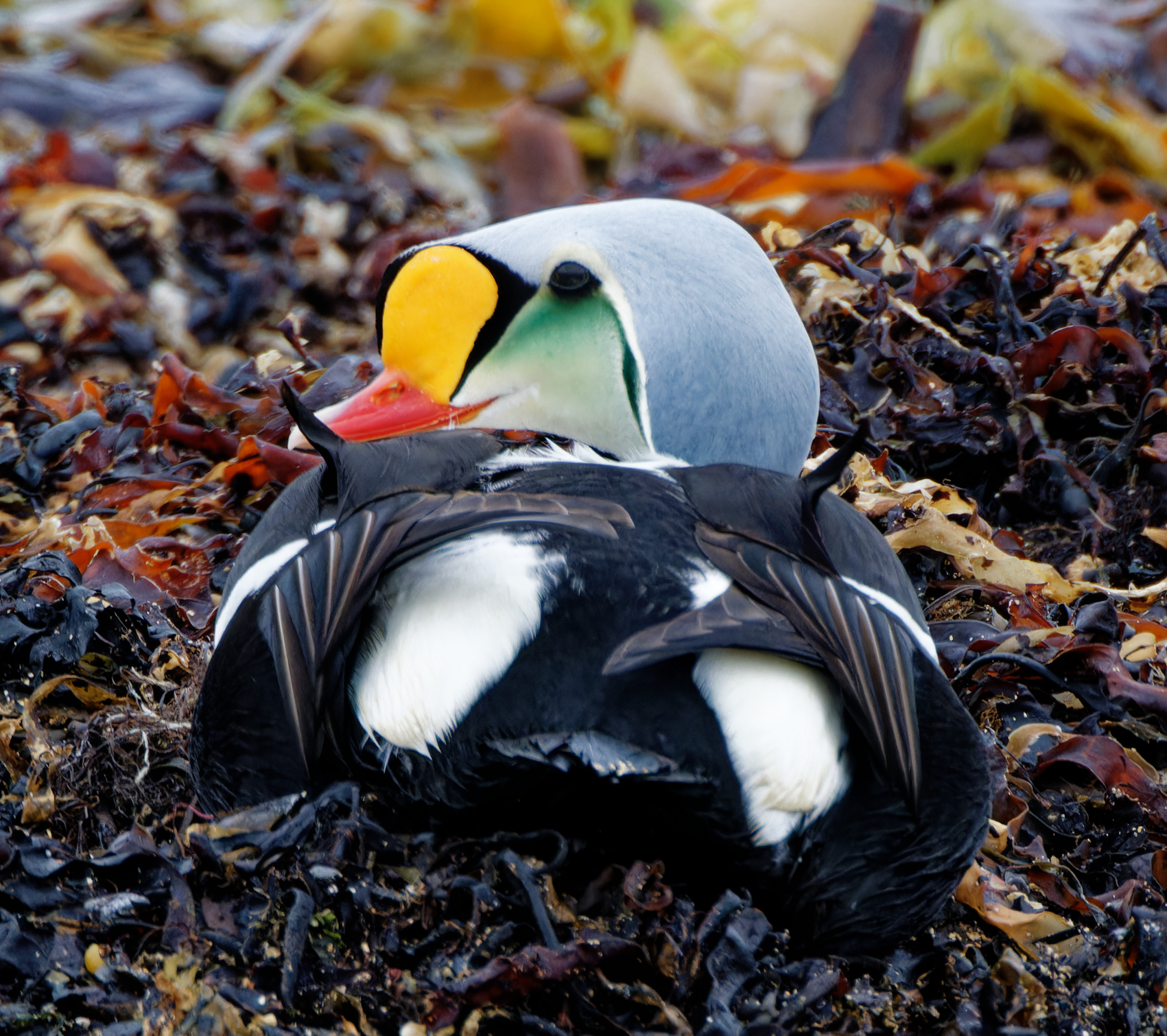
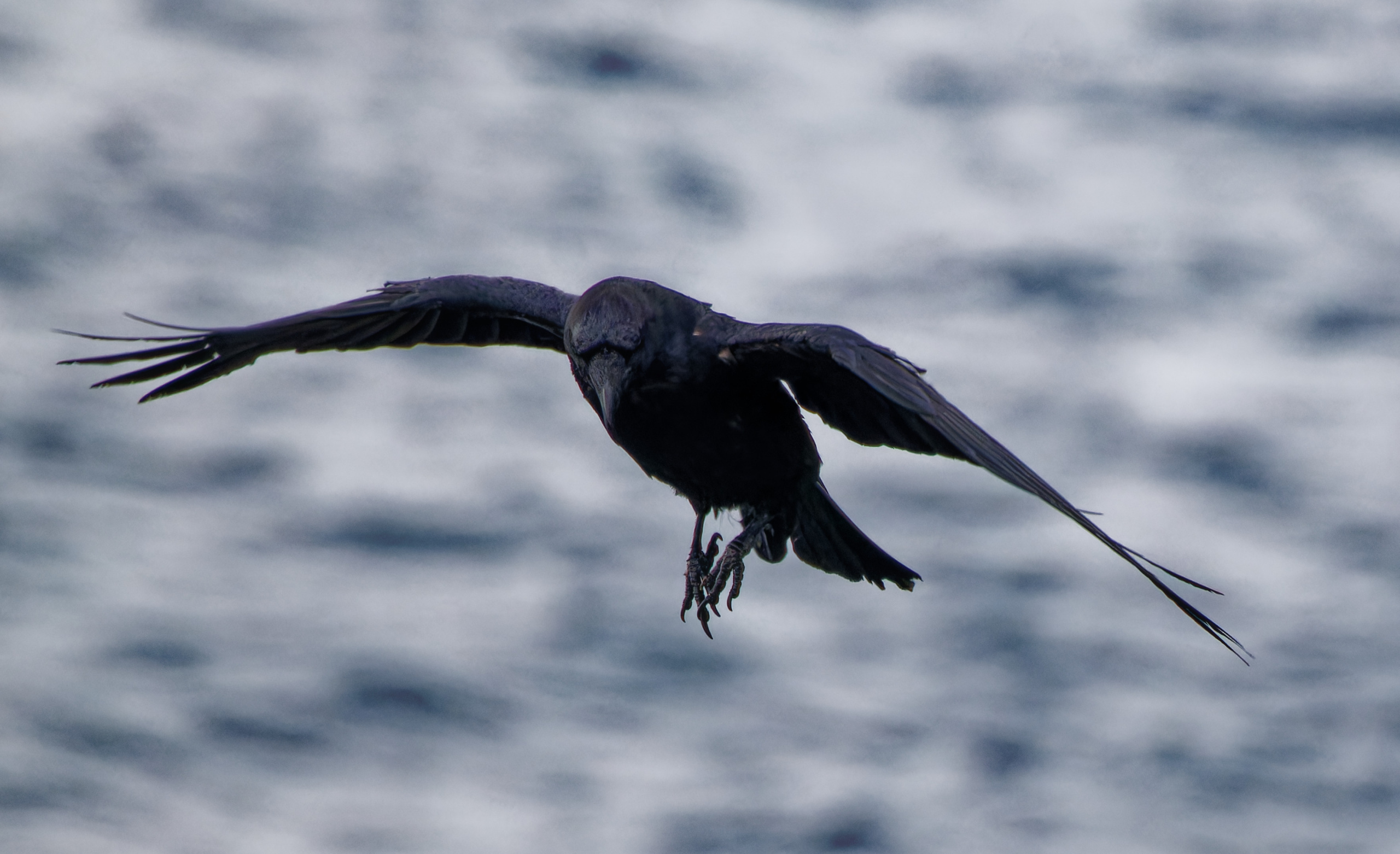
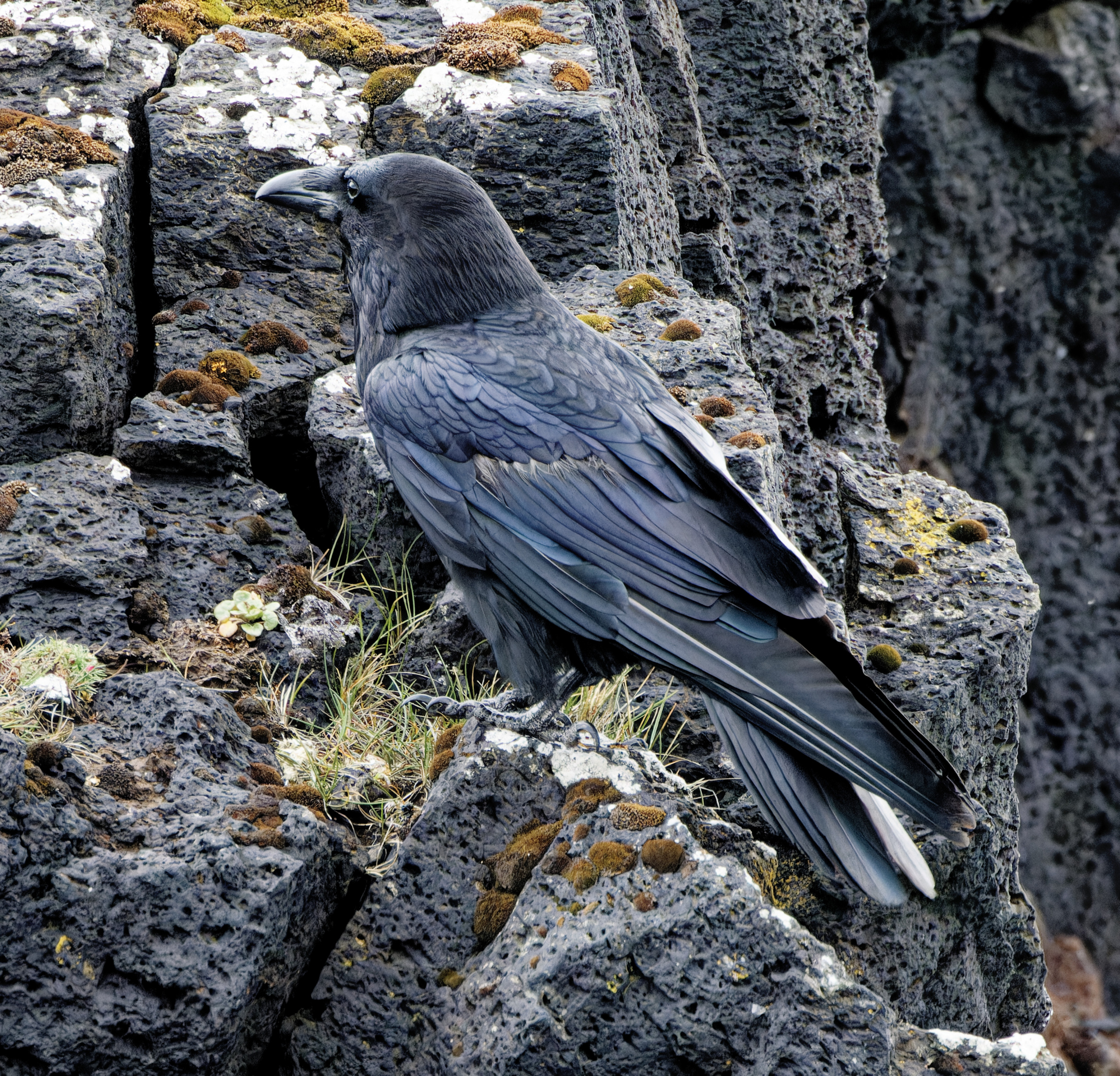
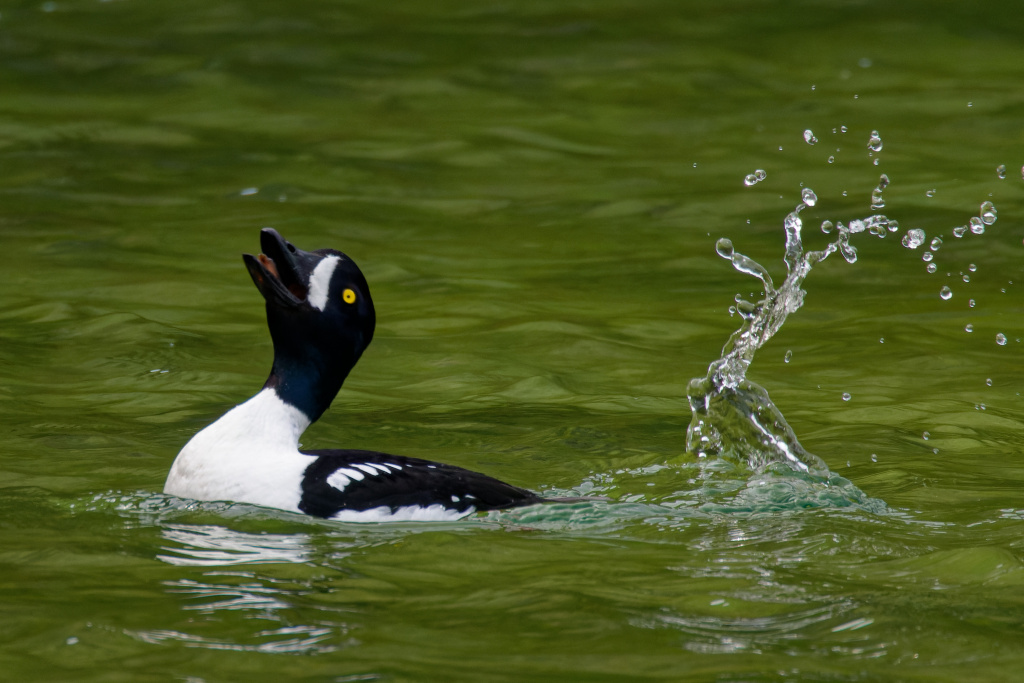
But wait, there’s more. We went from never seeing a common eider to seeing why they’re called common. We saw ONE King Eider. We saw whooping swans on puddles. We saw gulls I still can’t tell apart from each other. At a distance, we saw a white-tailed eagle on its nest. Closer, we saw gyrfalcon. We saw a few of Odin’s own favorite Ravens.
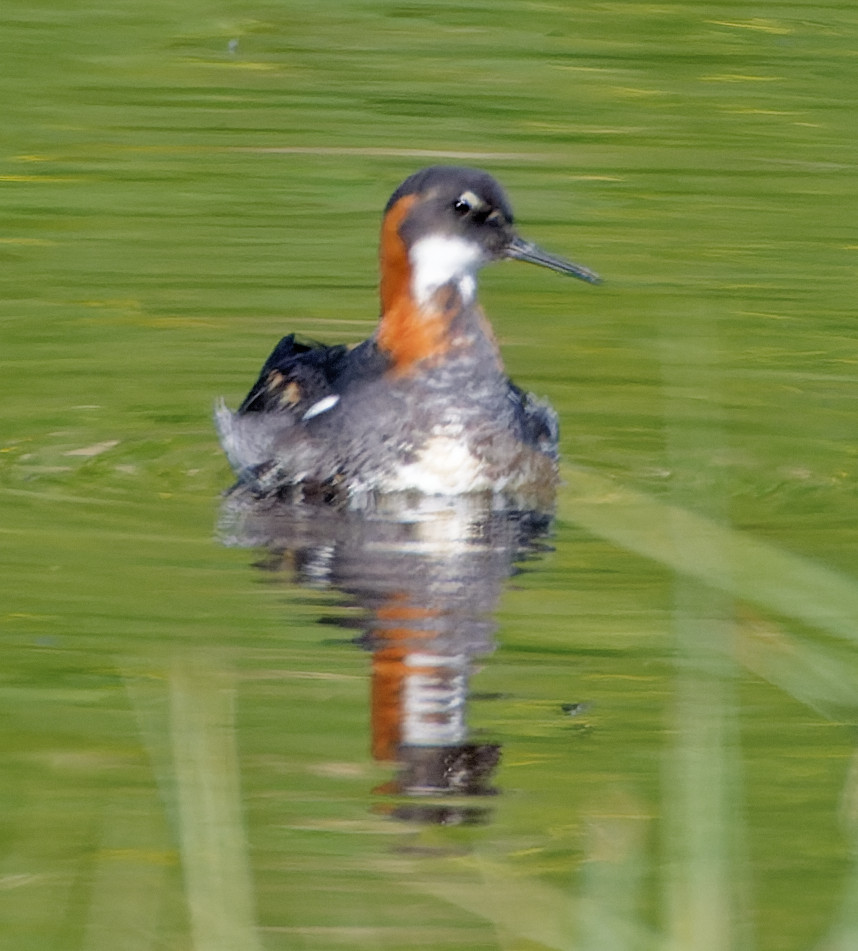
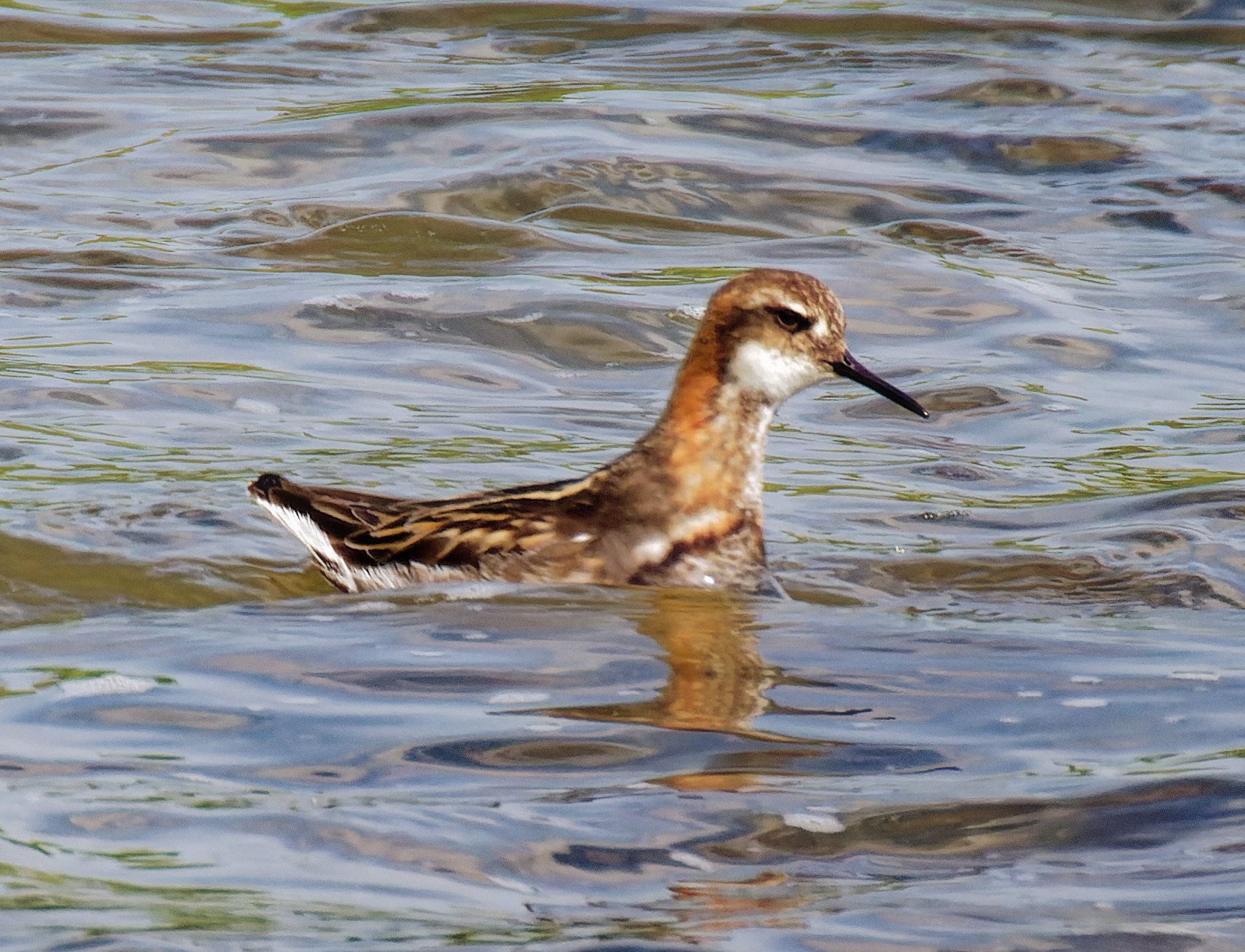
If I had to pick one, it’s not the puffin, but the sweet little palm-sized red-necked phalarope, which were also almost everywhere. Earlier this year, we went to Bosque del Apache hoping to see the very-rare-there phalarope, not appreciating we were looking for such a tiny needle in such a large haystack. In Iceland, look anywhere, especially at your feet, and you may see a red-necked phalarope, my favorite.
For the curious, here is a link to the ebird trip report which includes ALL of the species the group saw. The link goes to those with photos taken by anyone / everyone (not just mine). From there, you can link to all species, all checklist, or individual members of the group.
In June, 2023, Merri and I joined a formal tour of Iceland organized by Naturalist Journeys. Merri invited three friends to join us from Tallahassee and London. There were 14 of us including two guides, one of whom was our friend Dave.
We flew into Iceland a few days before the tour started. If you’ve never flown to Iceland, you may not know the sprawling under-construction international airport isn’t in Reykjavik but in Keflavik, about 40 minutes away by shuttle bus. Ground transportation was easy.
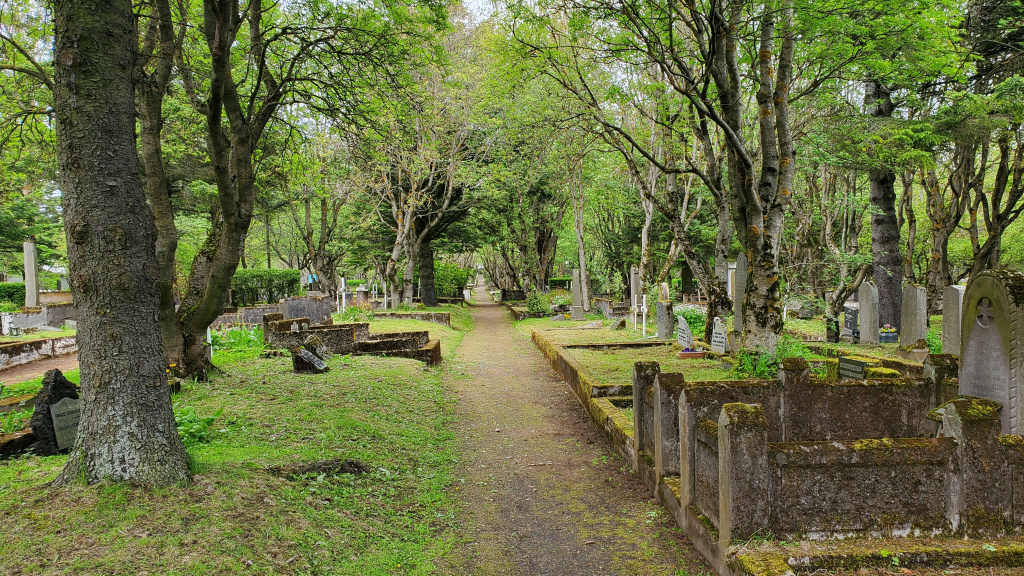
We stayed at the Centrum in downtown Reykjavik, past numerous murals. We walked all over the area, including a series of ponds, the waterfront, and the most beautiful cemetery I’ve ever seen.
The weather was drier and warmer than we expected, with a few exceptions. That’s not a plausible complaint, but, still, as a desert dweller, I savored the few days of rain after the tour.
For the record, Iceland is an island smaller than Ohio. The population is less than 400,000. About 2/3rds of those live in the Reykjavik area. In June, some 250,000 tourists visit. An additional 50,000 foreign guestworkers serve them (us). Over 100,000 tourists take cruise ships around the island each year.
The heart of Reykjavik never felt crowded. Elsewhere in the country, at a few busy sites or restaurants, we encountered crowds but fewer than most touristy places we’ve been. Outside of those areas, Iceland is emptier than even New Mexico.
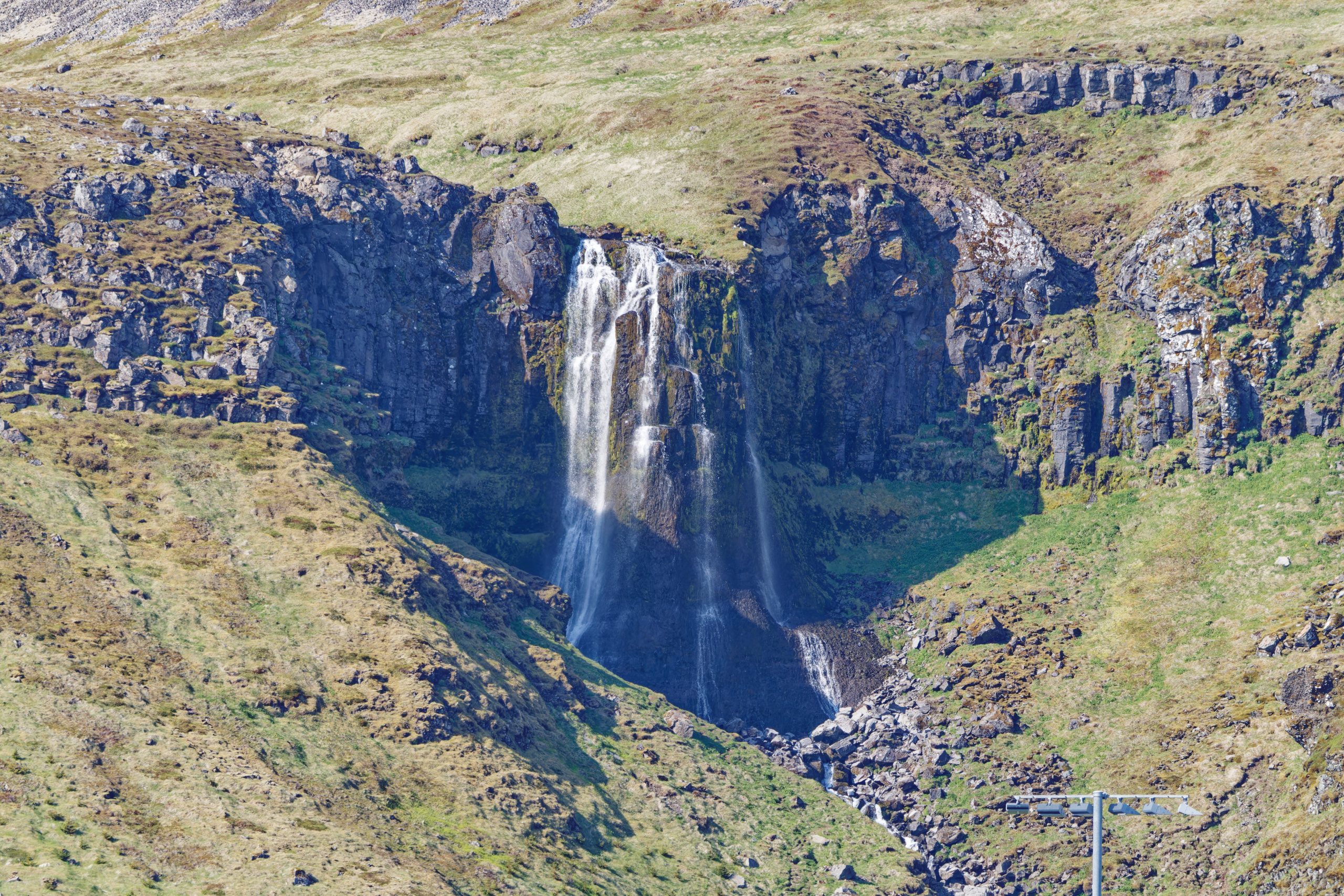
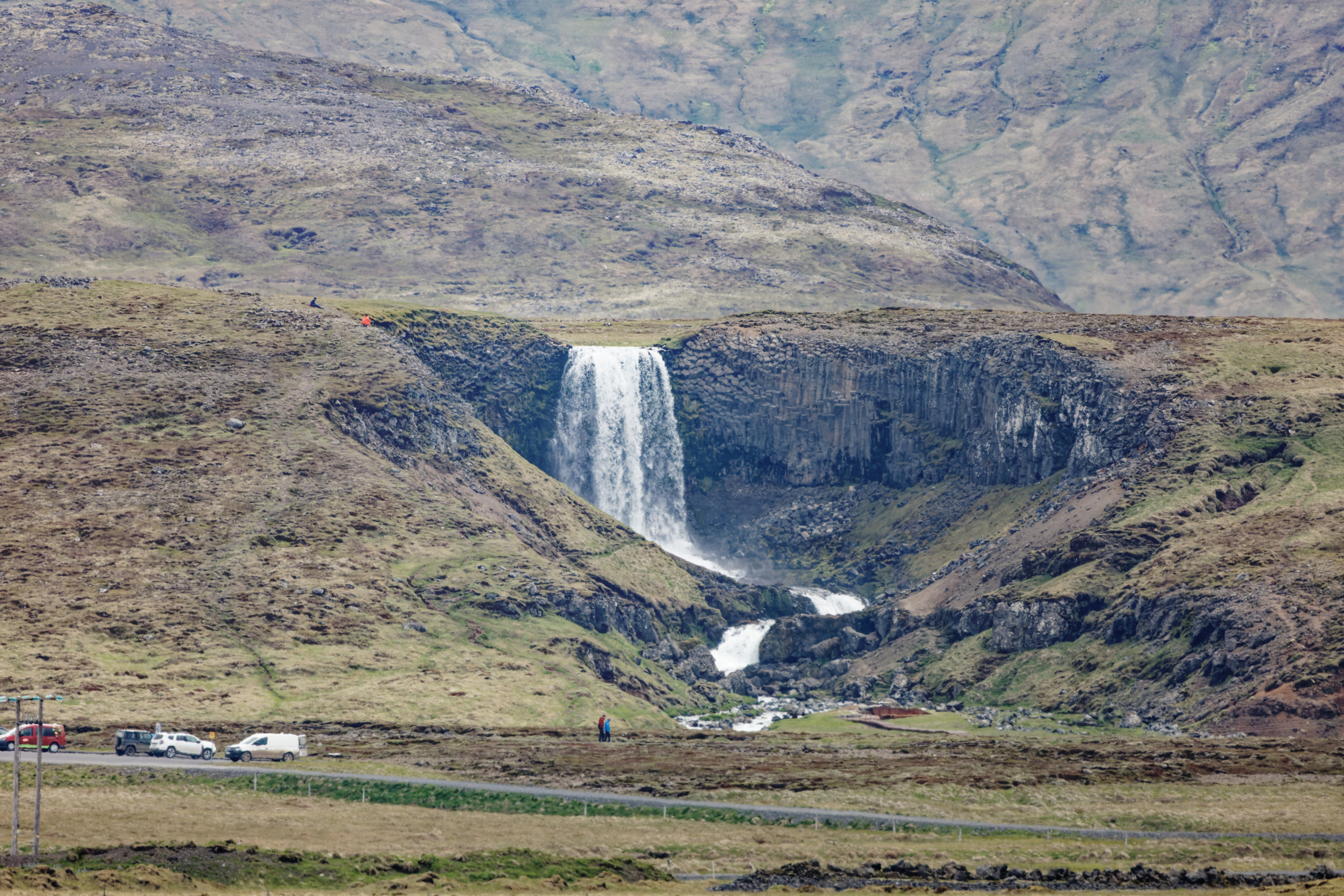
The land is volcanic (actively so), coastal (all those -viks, “coves”), and deeply convoluted with glacier-topped mountains split by waterfalls and fjords. The landscape reminded me of the best of Colorado and the Rockies in Canada.

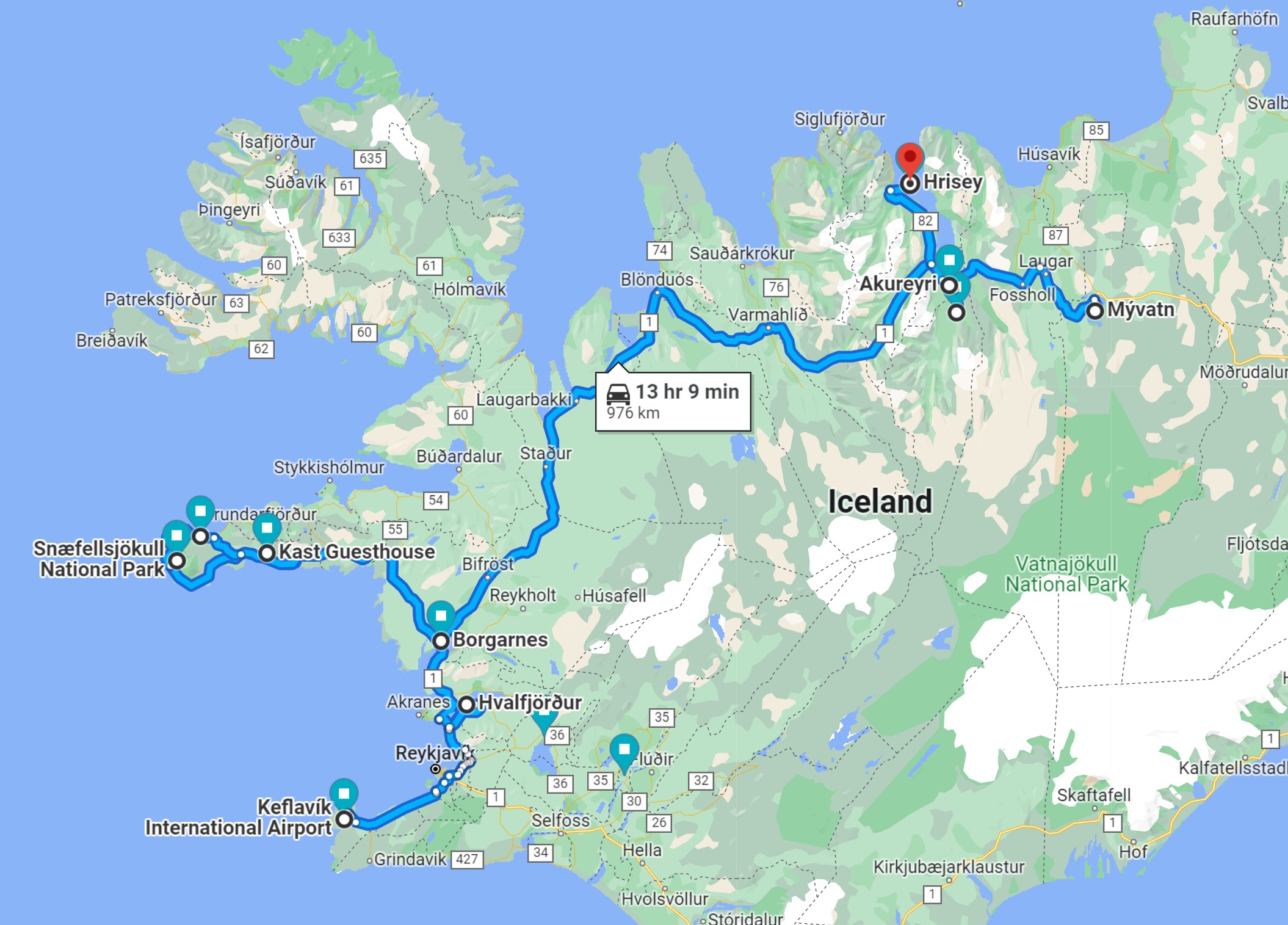
Iceland is circumscribed by the Ring Road, which is about 850 miles long. Over 10 days, our tour with Naturalist Journeys took us clockwise around part of the Ring Road and down the middle of the country.
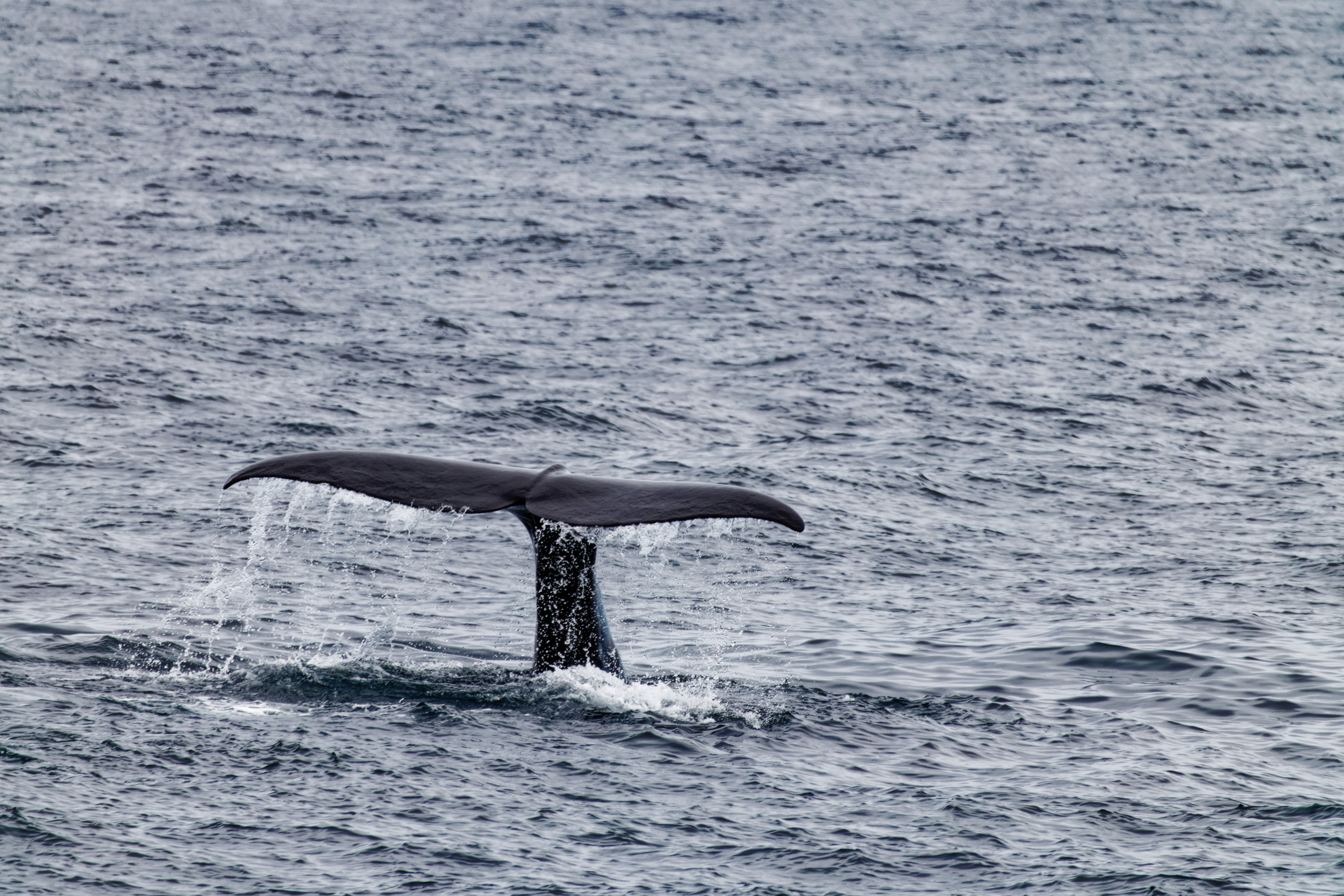
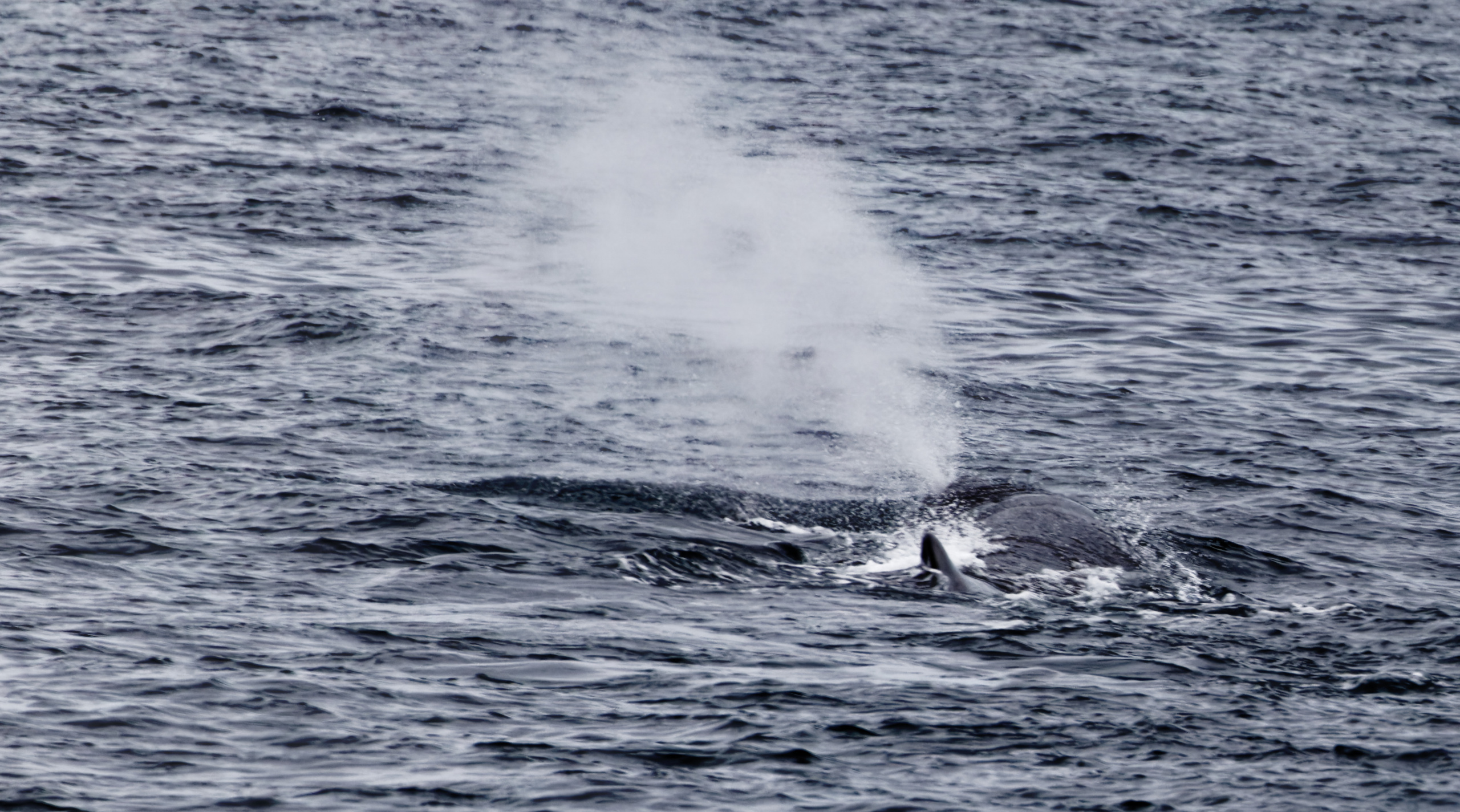
We spent 3 nights on the Snæfellsnes peninsula on the west coast. We stayed at the lovely, remote Kast Guesthouse (my favorite). From there we made daytrips to the coast for whale watching and birding.
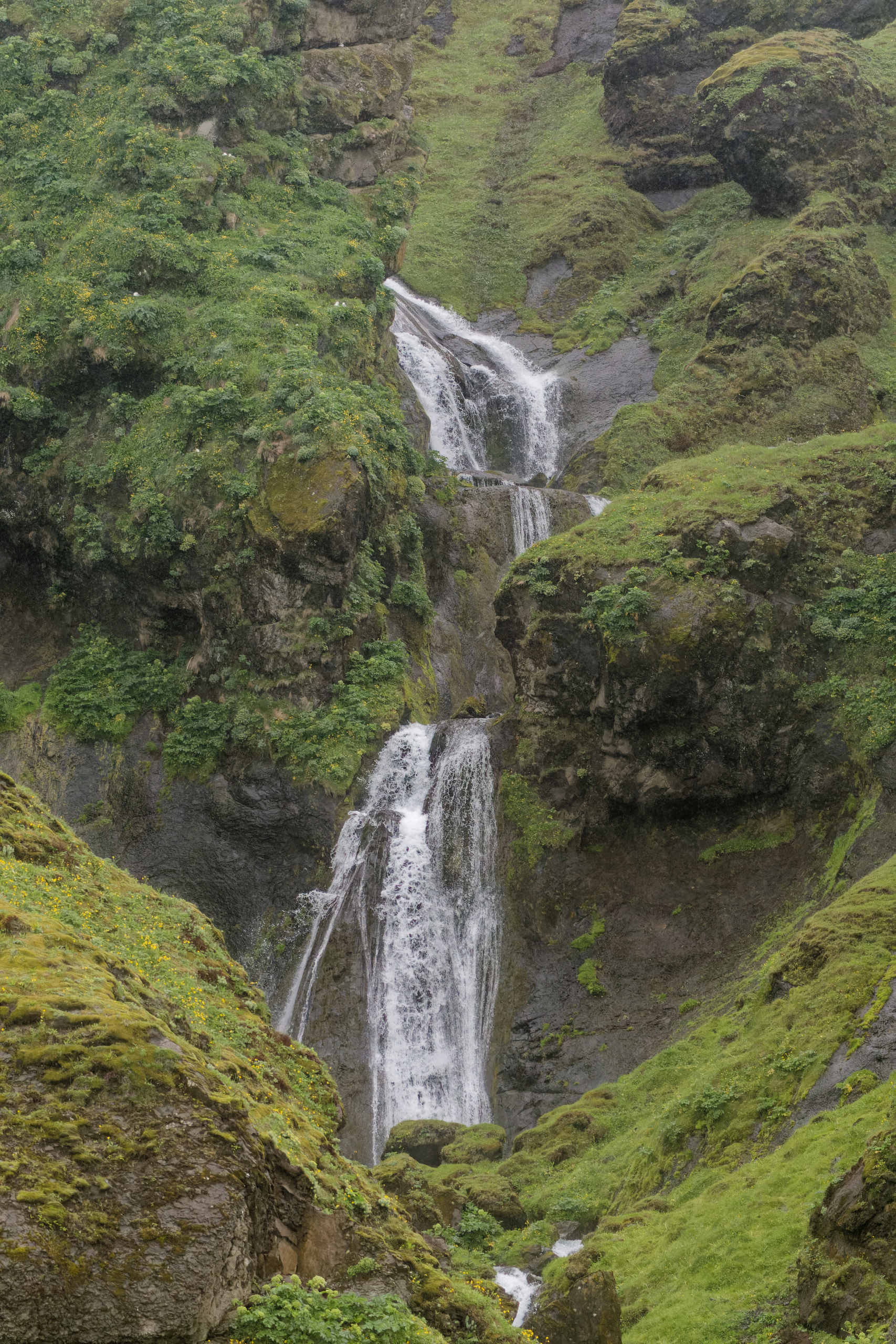
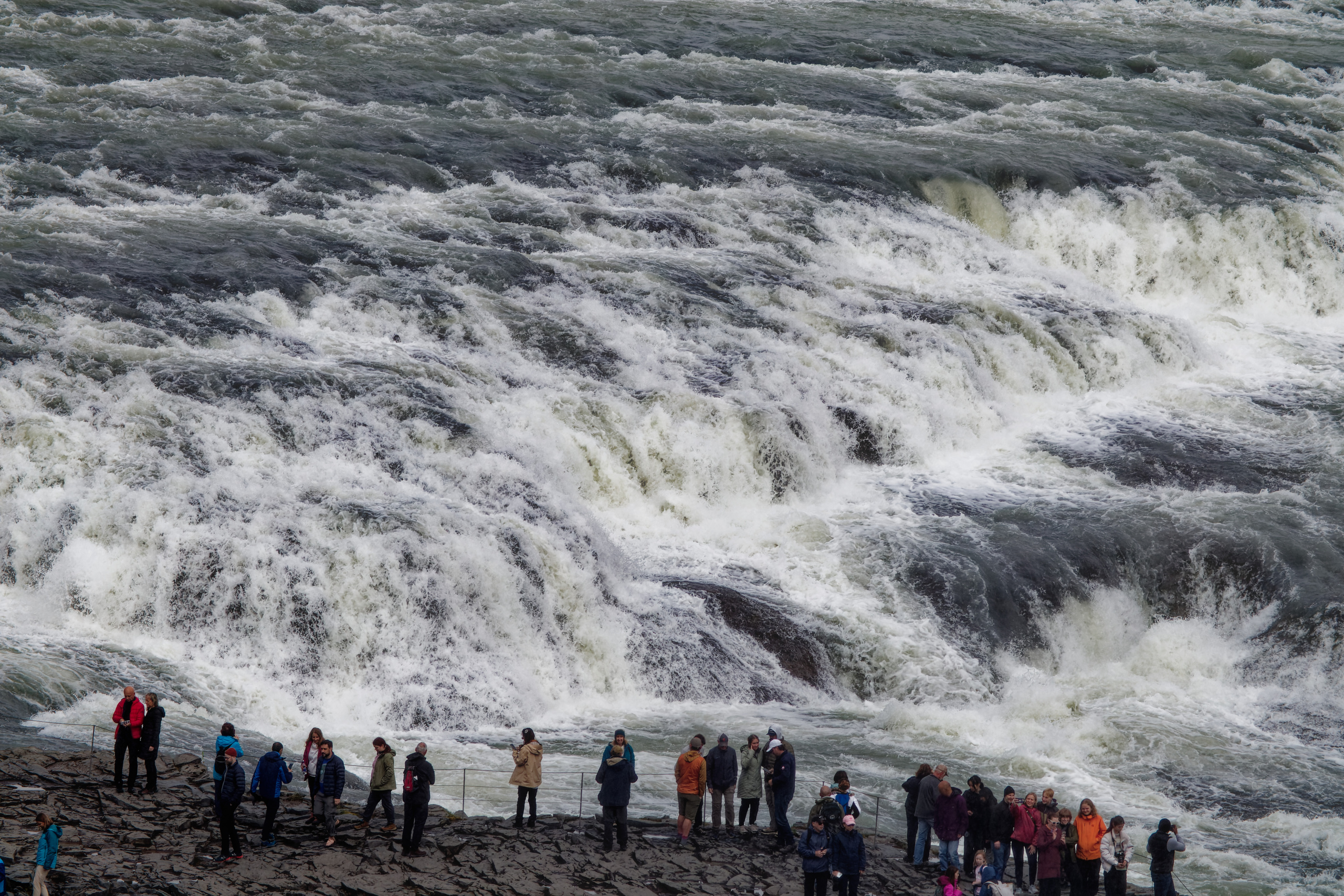
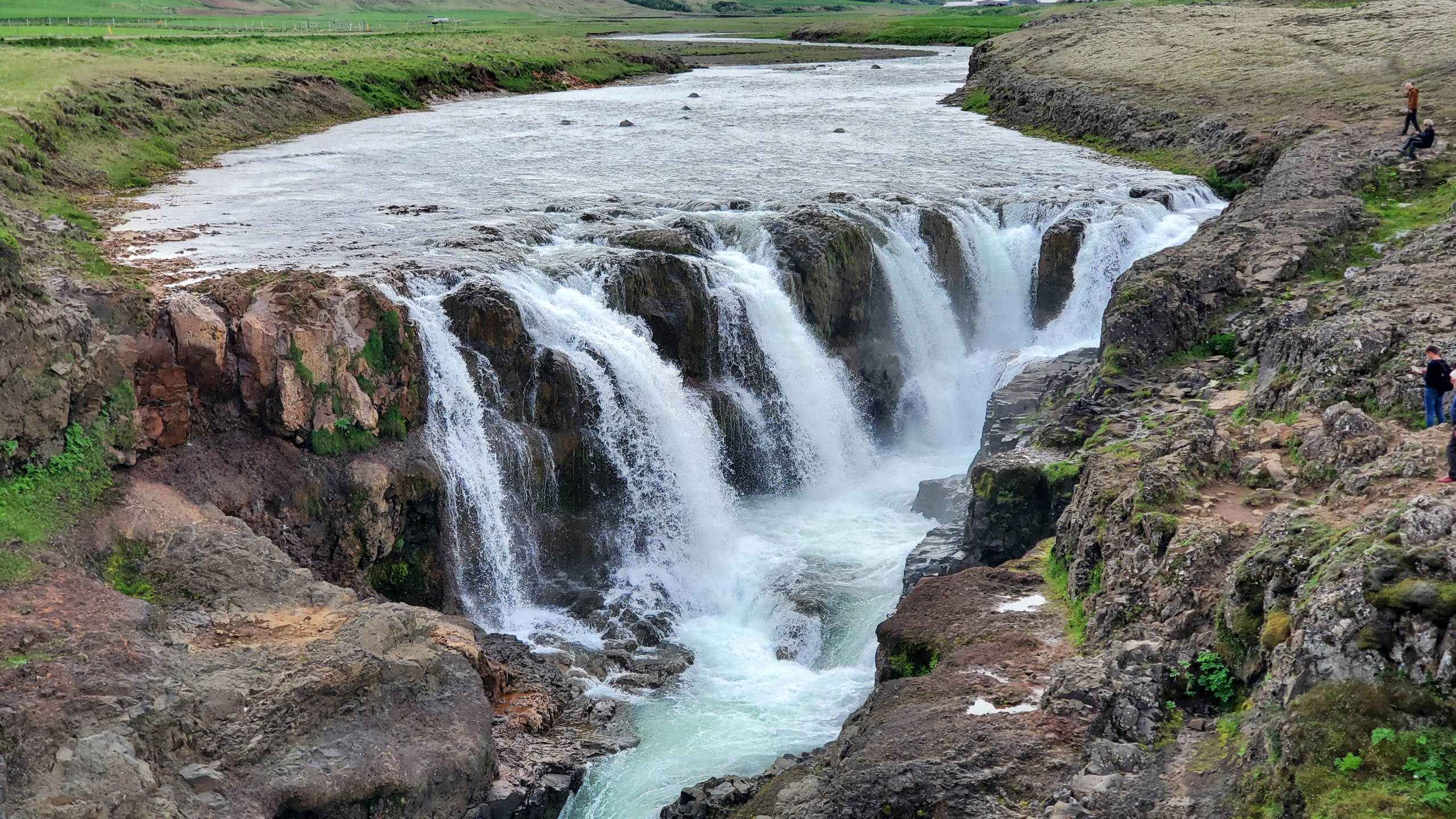
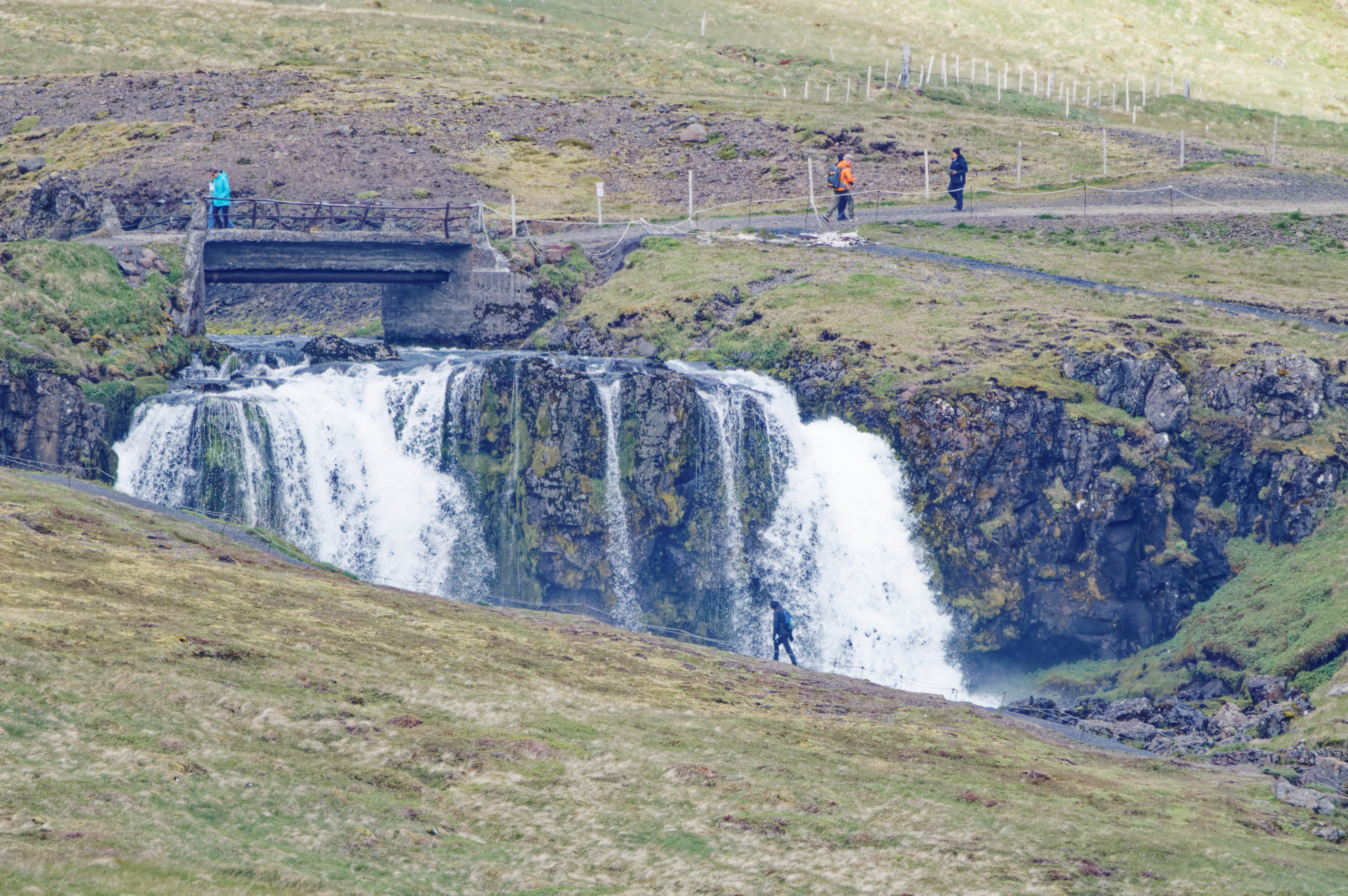
Next, we drove to Akureyri, a large town in the north for another 3 nights. In this area, we saw our first puffins and other amazing birds. We also stopped at the first of many waterfalls.
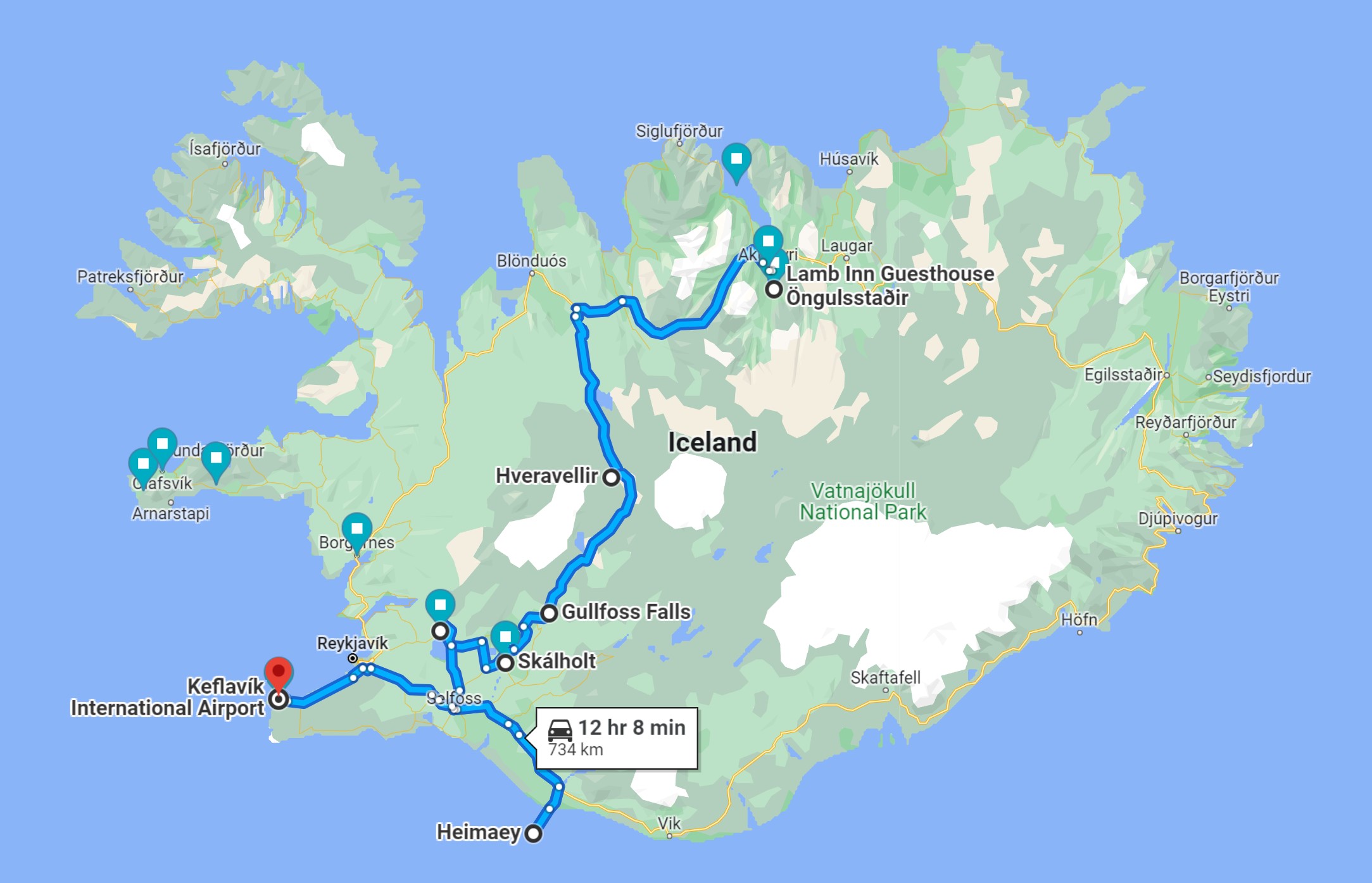
From there, we cut across the Highland to the south coast for 3 more nights in Hella (“Hekla”, a volcano that erupted in 1947). Thus, we skipped the eastern half of the island. The highpoint of this part of the trip was a day in the Westman Islands via rechargeable ferry.
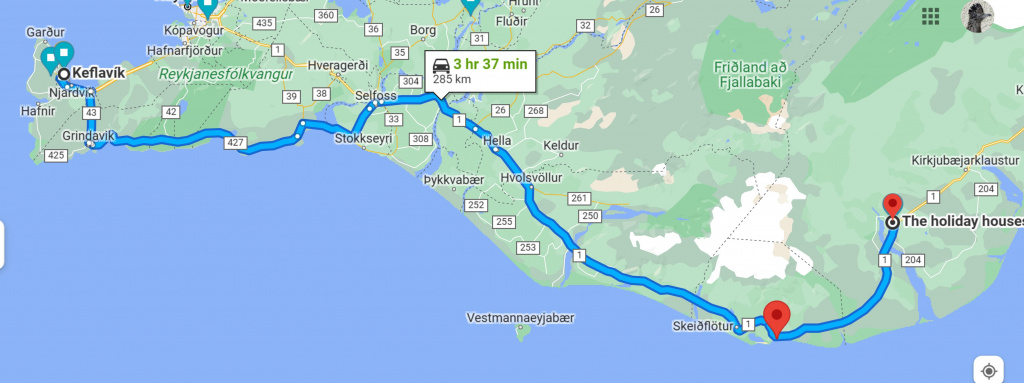
Our last day took us around the Reykjanesbaer peninsula, past a volcano that erupted since that tour. The tour ended at the airport in Keflavik. Some of us stayed an additional night in Keflavik. John Stewart and I stayed 3 more nights. We drove a few hundred miles of south coast on our own (east of Vik, near the volcano Katla).
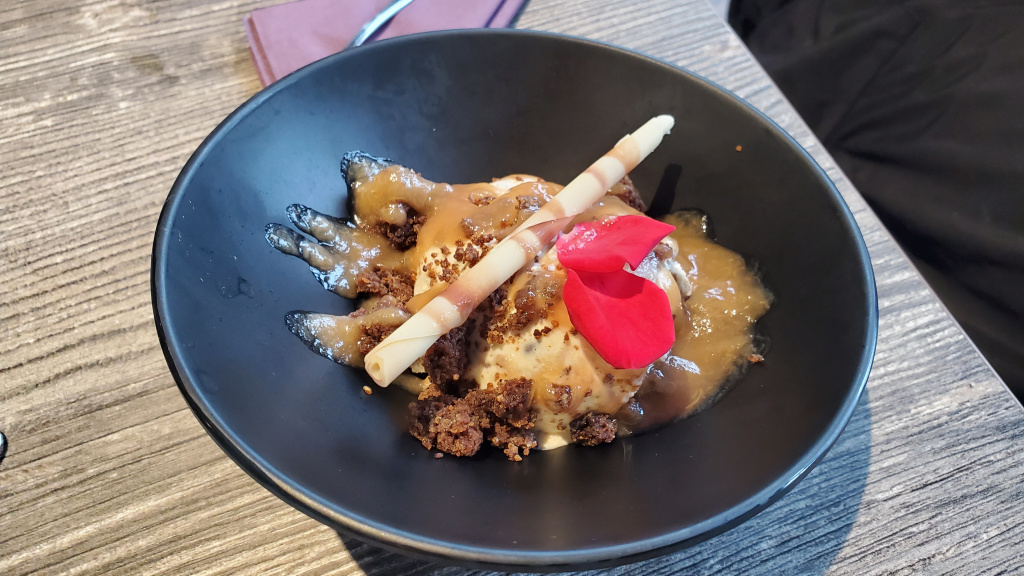
Throughout the tour, we ate good food, little of it as uniquely Icelandic as skyr yogurt. We had lots of fish and lamb. More than one good pizza. Will I ever again taste Icelandic Rye Bread Ice Cream?
Though we spent too much time in an uncomfortable van, our fellow-travelers were good company. We saw amazing landscape and lots of birds (more on this later).
What can I say of the people of Iceland? Iceland has been called a nation of introverts. Our “bus driver ,” as he called himself — really, our guide and local expert — was Daniel Bergmann. Daniel is the best photographer I’ve ever met. Like many introverts, he compensated with a showy façade. He was well-versed in movies and a good mimic. He would talk at length about birds and Russian oligarch tourists, but less about his language, a particular interest of mine. A few times I got a sense of his ill-ease at his home being overrun by foreigners. Among other Icelanders, he appeared most comfortable.
There was Thor, the red-bearded proprietor of a restaurant in Reykjavik. He’d lived a time in Arizona. He served lamb stew or fish stew in hollowed-out loaves of bread. Introverts can be gregarious and curious at times.
Also, Johannes, who sang beautifully for us before dinner at his family farm, now a guesthouse.
There was Luna. She is Polish and runs the place for Johannes. The family I rented a car from are also Polish. There were countless Greek waitresses. And Andi, originally Swiss and capital-E Extrovert, and Yuki, Japanese, now Icelandic citizens who own a unique guesthouse.
Everyone we met, local or foreign, was eager to please and hard-working.
It was the trip of a lifetime. I don’t expect ever to go back — or, for that matter, to get on an airplane again. However, anyone going should consider more than a few days in Reykjavik and Akureyri and a slow drive around the Ring Road. See lots of waterfalls. For god’s sake, don’t miss the puffins.
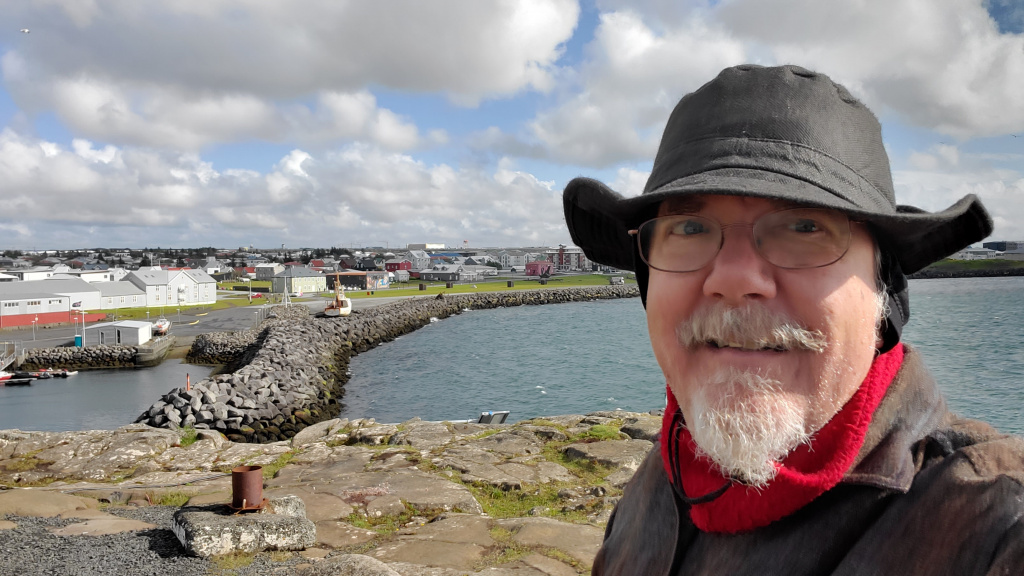
Merri has her own account with different photos. Check it out:
Iceland 2023, aka Puffin Paradise! | Merri’s Dance and Music eNews (merridancing.com)
Just a few of the countless falls.